Nigeria down to 30th as Morocco stay Africa’s No.1: October’s shake‑up by the numbers
7 min read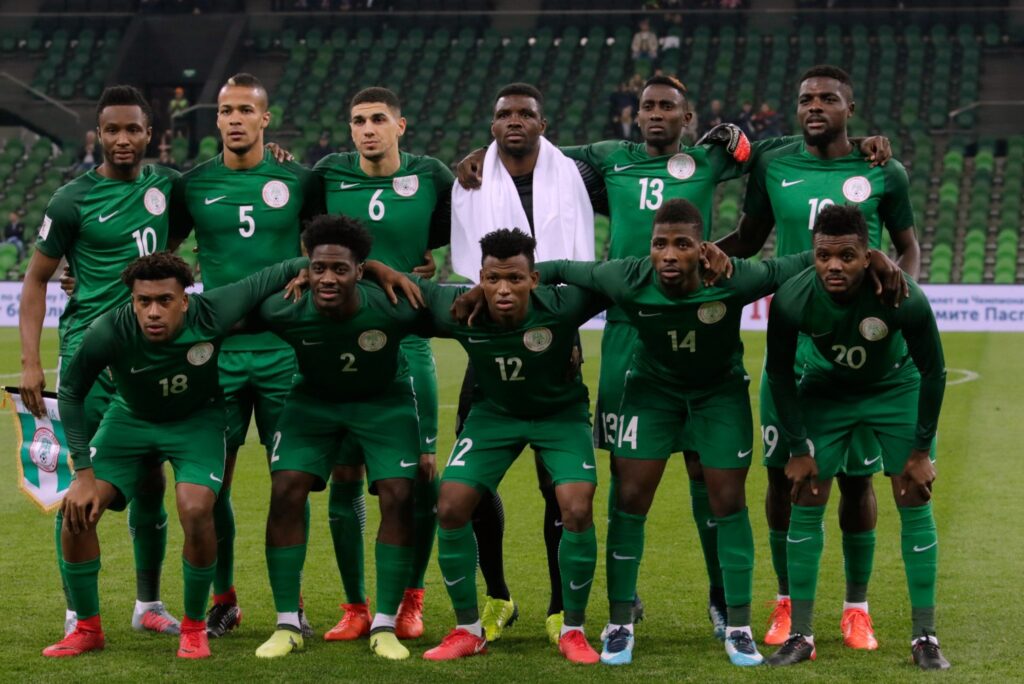
Four places in a month, and a new reality: Nigeria are down to 30th in the world and sixth in Africa in FIFA’s October 2026 men’s ranking after a September window that swung hard against the Super Eagles. Morocco, meanwhile, remain Africa’s No.1 and are still seventh globally, underlining a continental pecking order that has tightened behind the Atlas Lions.
This is a window where results in competitive matches counted heavily. Nigeria edged Madagascar 2-1 to open their 2027 AFCON qualifying campaign, then crashed 3-0 away to Guinea‑Bissau. The contrasting outcomes have pushed the Eagles from 26th to 30th overall and from third to sixth in Africa, according to Premium Times and AllAfrica, while Morocco lead a top six that also includes Senegal, Egypt, Algeria and Côte d’Ivoire.
Nigeria’s mixed window, and the price in places
The figures are stark and sourced. Nigeria, previously 26th, are now 30th in the world, and they have slipped from third to sixth on the continent. The drop follows a 2-1 win over Madagascar in Uyo and a heavy 3-0 defeat in Bissau — exactly the kind of competitive split that moves the needle when qualifiers carry more ranking weight than friendlies, as Premium Times notes.
Both outlets report the same African top six order: Morocco, Senegal, Egypt, Algeria, Côte d’Ivoire, then Nigeria. Premium Times also places the Super Eagles among Africa’s increasingly stacked second tier behind Morocco, highlighting that Algeria, Egypt and Côte d’Ivoire are all positioned above Nigeria this month. For Coach Eric Chelle and his squad, the message in the table is unambiguous: consistency across qualifiers matters, and there’s little margin when peers are winning.
Morocco’s perch, and the African top order behind them
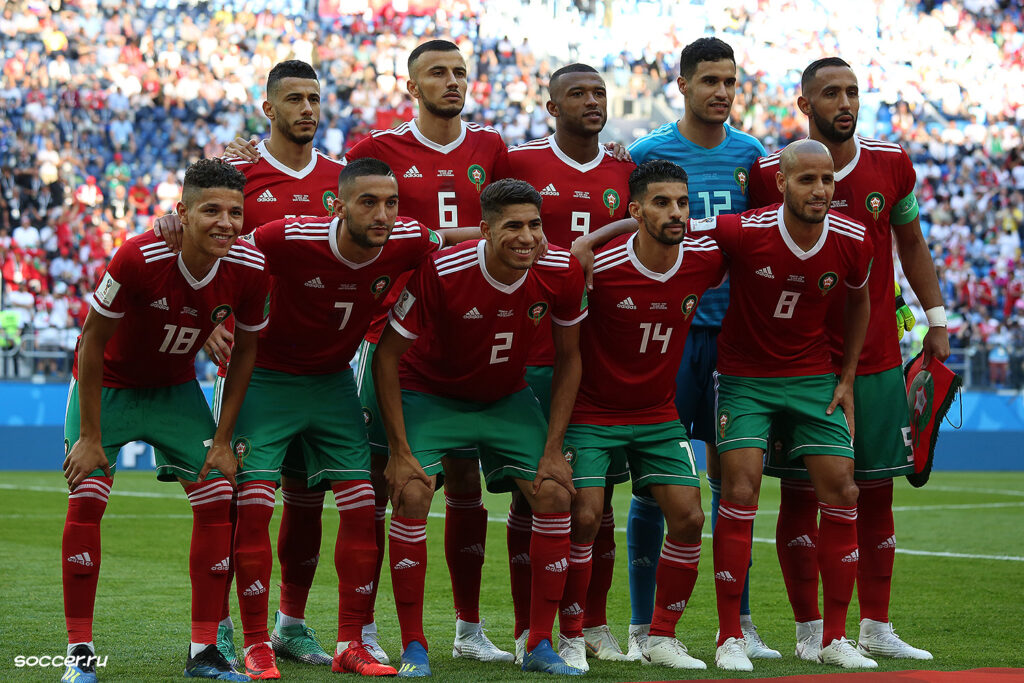
Morocco’s continued leadership is the anchor for Africa’s October picture. Premium Times has the Atlas Lions not just as the continent’s No.1 but also seventh in the world — “comfortably ahead of every other African nation.” Senegal are the continent’s second‑highest ranked side at 18th globally, while the rest of the African top 10, in order, is Egypt, Algeria, Côte d’Ivoire, Nigeria, DR Congo, Cameroon, Mali and South Africa.
That list tells its own story. The heavyweights are where you’d expect, but the margins below Morocco are thin enough that one poor window can reshape the tier just behind the leaders. Nigeria’s fall to sixth, with Egypt, Algeria and Côte d’Ivoire now in front, underlines how the September qualifiers tightened the race among Morocco’s closest African chasers.
| Africa rank | Team | World rank |
|---|---|---|
| 1 | Morocco | 7 |
| 2 | Senegal | 18 |
| 3 | Egypt | — |
| 4 | Algeria | — |
| 5 | Côte d’Ivoire | — |
| 6 | Nigeria | 30 |
The global frame: Spain lead, Portugal rise, Morocco steady at 7th
Zooming out clarifies why Africa’s ladder looks the way it does this month. Spain remain on top of the world ranking, with Argentina second and France third. England are fourth, while Portugal’s rise to fifth (up two places) has pushed Brazil to sixth and Morocco to seventh, AllAfrica reports. Belgium, the Netherlands and Mexico complete the global top 10 — an order Premium Times also lists.
Below that, the churn continues: Colombia sit 11th, Switzerland 12th and Germany 13th, per Premium Times. Norway are 19th and Uruguay 20th. The same report notes the USA, Denmark, Italy, Iran, Austria and Ecuador all remain within the world’s top 30. In that context, Morocco’s seventh is elite by any standard, and Senegal’s 18th keeps Africa represented in the top 20 even after Portugal’s jump reshuffled the upper pack.
Guinea‑Bissau’s leap and Group L’s early shape
If Nigeria’s slide is one headline number, Guinea‑Bissau’s surge is another. AllAfrica reports that the Wild Dogs climbed eight places up the African ladder — to 35th on the continent from 43rd — off the back of their 3-0 win over Nigeria. That result, coupled with victory over Tanzania, has them top of Group L in the 2027 AFCON qualifying series with six points from two matches.
Premium Times adds that Nigeria’s opening two qualifiers left Chelle’s side on three points, a reminder that early windows set both qualification and ranking trajectories. The immediate lesson is structural: in Africa’s pecking order, convincing wins in competitive fixtures are rewarded quickly, and heavy defeats can carry a compound effect when they arrive days after a narrow victory.
The detail
Why this window moved the ranking
Both outlets converge on the same mechanism: competitive fixtures move FIFA’s ranking faster than friendlies. Premium Times explicitly notes that the 2027 AFCON qualifiers carry greater weight than non‑competitive games, which is why one window produced a cluster of shifts — Nigeria down four places globally, Morocco nudged down one spot worldwide (yet still No.1 in Africa), and Portugal up two into the global top five, per AllAfrica. The September slate was dense with qualifiers, so the calculus was always going to be more volatile than a typical friendly window. That dynamic will continue into the next release cycle: AllAfrica confirms the subsequent FIFA/Coca‑Cola Men’s Ranking will be published on 18 November 2026, meaning another round of qualifiers could quickly consolidate or undo October’s moves. The pattern is consistent across the data points we do have: comprehensive wins in competition — like Guinea‑Bissau’s in Bissau — produce outsized effects; mixed windows, like Nigeria’s, tend to be punished; and sustained form, like Morocco’s, keeps a team insulated near the top even when the global top 10 shuffles around them.
Reading the gaps: what the numbers do and don’t settle
A table will not tell you how close the battles are between, say, Egypt and Algeria, or how much daylight Morocco have at seventh globally beyond Premium Times’ line that they are “comfortably ahead” of the rest of Africa. It will not say how Ghana, for instance, compare to Cameroon or Mali this month beyond the simple fact that they are not named in the African top 10 lists cited by both outlets. The rankings are a snapshot; they measure outcomes more than performances, and the September outcomes were decisive.
It’s also why Nigeria’s neighbours on the ladder matter. Premium Times highlights Algeria, Egypt and Côte d’Ivoire as the nations currently placed above the Super Eagles, and that tracks with on‑field momentum in qualifiers. But just as Portugal’s climb and Brazil’s and Morocco’s one‑spot dips at the very top show, one strong window can reverse the tone. The next published list on 18 November will be the test of whether October’s shifts are a blip or the start of a new shape.
What Nigeria and Africa’s chasers need next month
Premium Times frames it simply: Nigeria “will now need stronger results in their next competitive fixtures to halt the slide and begin climbing.” That is the unavoidable arithmetic after a 2-1 home win and a 3-0 away loss in a qualifier window. With Algeria, Egypt and Côte d’Ivoire ahead of them in the African order, the Super Eagles cannot rely on past standing to protect seeding optics or reputation; they have to win qualifiers consistently to regain ground.
For the rest of the African top 10, the task is equally clear. Morocco’s seventh in the world keeps the Atlas Lions out in front; Senegal’s 18th confirms a second African flag in the top 20. DR Congo, Cameroon, Mali and South Africa round out the continental top 10 in that order, but October showed how quickly that lower half can change. If September’s pattern repeats in October’s and early November’s fixtures, expect another set of sharp moves when FIFA publishes again on 18 November, as AllAfrica notes.
The global ceiling and Africa’s floor
With Spain still first and Argentina second, Africa’s elite are measuring themselves against a stable global podium. Portugal’s jump to fifth at Brazil’s expense, recorded by AllAfrica, is a reminder that the upper tier churns even when the leaders hold. Within that churn, Morocco’s ability to hold seventh — and to remain Africa’s No.1 — signals that the Atlas Lions have banked enough competitive results to ride out minor shifts around them.
Below the summit, Premium Times’ roll call — Colombia 11th, Switzerland 12th, Germany 13th; Norway 19th, Uruguay 20th; with the USA, Denmark, Italy, Iran, Austria and Ecuador all in the top 30 — sketches a crowd that Africa’s contenders must keep pace with every window. That is the scale of the task. October’s numbers say Morocco are there; Senegal are in range; and Nigeria, after a bruising split window, have work to do.
Sources: FIFA Ranking: Super Eagles plunge to 30th, drop to Africa’s sixth (www.premiumtimesng.com); Nigeria/Guinea Bissau: FIFA Ranking – Super Eagles Drop Four Places After Crash in Guinea-Bissau (allafrica.com)
Images: Cover: Дмитрий Пукалик / Wikimedia Commons (CC BY-SA 3.0); Figure 1: Кирилл Венедиктов / Wikimedia Commons (CC BY-SA 3.0)
How this article was made: Football Africa uses AI tools to structure, format and optimise its articles, and occasionally to produce illustrated covers where no free photograph exists. The reporting these articles are based on is human-produced and cited above. Spotted an error? Write to [email protected] and we will correct it. — The editors How we work.