Names on the door, a long brief: FIFA’s Normalisation Committee takes charge of the NFF
8 min read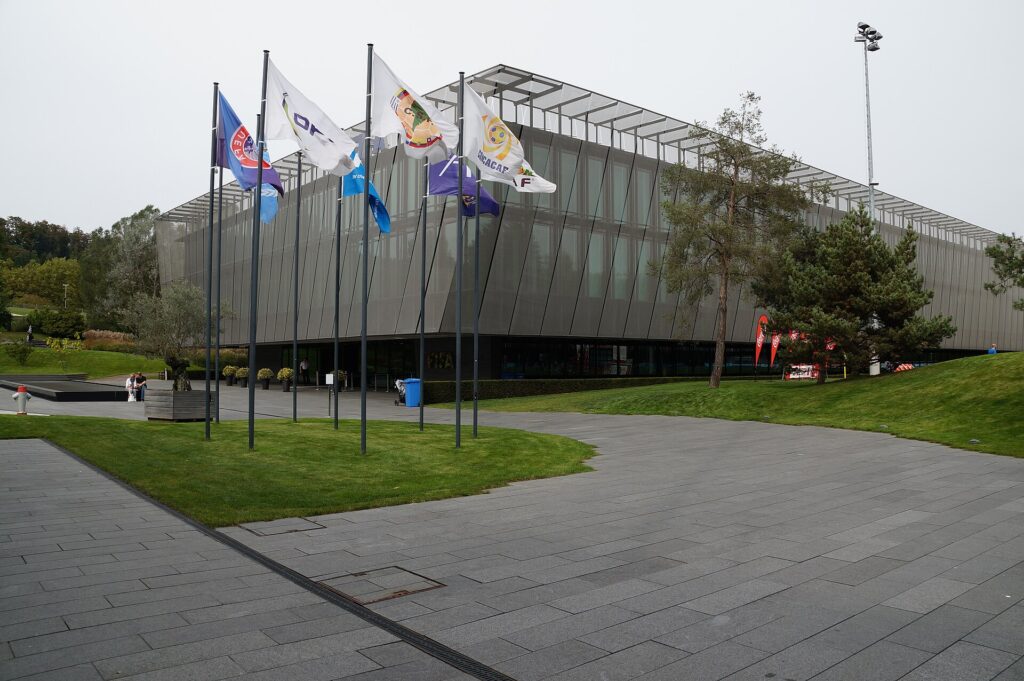
The decisive document landed this week: a FIFA letter dated 18 November naming a five‑member Normalisation Committee to run the Nigeria Football Federation and rewrite the rules that will elect its next leadership. Reputable lawyer Sampson Ebomhe has been appointed chair, with former Super Eagles captain Daniel Amokachi, journalist‑administrator Godwin Enakhena, Amina Yerima and Joe Abah as members — all subject to eligibility checks by the FIFA Review Committee.
Their brief is unusually expansive and time‑boxed. The committee will manage the NFF’s daily affairs, overhaul its statutes and electoral framework in consultation with FIFA and CAF, and organise fresh elections — with none of its members allowed to stand — on a timetable that must conclude no later than 31 May 2027. After months of turmoil that derailed September’s planned elective congress, the appointments draw a hard line under crisis management and begin a formal reset of Nigerian football governance.
Five names, one brief: who’s in and how they were picked
FIFA, after consultations with CAF, named Sampson Ebomhe as chair of the NFF Normalisation Committee. Ebomhe brings governance and electoral pedigree: he served as legal counsel to the now‑defunct League Management Company and chaired the electoral committee that oversaw Amaju Pinnick’s election as NFF president in Warri in 2014. The other four members are Daniel Amokachi, Joe Abah, Godwin Enakhena and Amina Yerima.
According to the NFF Communications Department, FIFA’s Chief Member Associations Officer, Elkhan Mammadov, communicated the appointments to Acting General Secretary Emmanuel Ikpeme. The members are to assume their responsibilities immediately, subject to eligibility checks by the FIFA Review Committee under FIFA’s Governance Regulations. FIFA has also been explicit about firewalling the process: none of the committee members will be eligible to contest any position in the coming NFF elections, even if their appointments are revoked or they resign.
| Name | Role/Note (as per sources) |
|---|---|
| Sampson Ebomhe | Chairman; reputable lawyer; ex‑LMC legal counsel; chaired 2014 NFF electoral committee |
| Daniel Amokachi | Member; former Nigeria captain; two‑time FIFA World Cup player |
| Godwin Enakhena | Member; respected journalist and sports administrator |
| Amina Yerima | Member — |
| Joe Abah | Member — |
Why FIFA stepped in: an August-to-October collapse
FIFA’s move follows a cascading leadership crisis. On 27 August, NFF President Ibrahim Musa Gusau, General Secretary Mohammed Sanusi and members of the federation’s Executive Committee resigned en masse. The upheaval disrupted preparations for an elective congress slated for 27 September in Lafia, Nasarawa State, forcing FIFA and CAF to intervene in the electoral process.
On 22 October, the Bureau of the FIFA Council approved the appointment of a Normalisation Committee to manage the NFF until fresh elections could be held. Emmanuel Ikpeme was subsequently appointed Acting General Secretary to keep the secretariat running while consultations on a reform roadmap continued. The announcement of the committee members now converts that October authorisation into a staffed mechanism to stabilise administration and restart the election track.
What the mandate covers: daily control and deep reform
Beyond firefighting, the committee’s responsibilities go to the architecture of Nigerian football administration. FIFA has tasked it with managing the federation’s daily affairs and reviewing the NFF Statutes to “increase stakeholder representation, promote a more inclusive Executive Committee, and reduce its membership.” It must also work with FIFA and CAF to determine whether provisions of the NFF Electoral Code require amendments to strengthen governance and improve the credibility of elections.
The reform brief explicitly goes beyond the NFF headquarters. The committee is expected to develop proposals for additional governance reforms “involving the NFF, state football associations, leagues and other relevant football stakeholders.” Those proposals, once drafted, will be implemented under the supervision of the leadership that emerges from the next elections. The committee’s mandate ends when it completes its responsibilities, but in any case no later than 31 May 2027.
The road to elections — and who cannot run
A core deliverable is a clean, credible election cycle under a revised statutory framework. The Normalisation Committee will organise elections for a new NFF leadership team in line with the updated statutes and electoral code, and under the supervision of the federation’s electoral committees. FIFA has reiterated that none of the five appointees will be eligible to contest positions in those polls — a standard guardrail designed to remove conflicts of interest from normalisation processes.
In governance terms, the process begins immediately. The members are to assume duties at once, but their confirmation is contingent on eligibility checks conducted by the FIFA Review Committee in line with FIFA’s Governance Regulations. FIFA has also asked the current NFF administration to cooperate fully with the committee as it begins its assignment. That cooperation will matter as the team balances day‑to‑day operations with statute drafting and election programming.
Domestic game implications in the next six months
The domestic game will inevitably feel the committee’s hand early, because its reform brief explicitly spans “state football associations, leagues and other relevant football stakeholders.” In August, on the day the NFF leadership resigned, President Bola Tinubu directed the National Sports Commission to work with the federation and stakeholders on comprehensive reforms “covering governance, administration, domestic competitions and accountability.” That political signal, coupled with FIFA’s mandate, sets the stage for administrative adjustments that touch the competition ecosystem as well as the NFF’s internal organs.
Over the next six months, expect the committee to prioritise the paperwork that makes those adjustments possible: statute revisions to increase stakeholder representation and to reshape the Executive Committee, and any necessary amendments to the electoral code. While the sources do not detail specific league measures, the committee’s obligation to involve leagues suggests structured consultations with domestic competition organisers as part of its proposals. The timeline is finite — with an outer limit of 31 May 2027 — so early clarity on roles, representation and election dates will be the best signal to clubs and administrators planning their seasons.
The detail
Inside the statutes-and-elections brief
Normalisation committees live or die on process. Here, FIFA has written that process into the mandate with unusual specificity. First come the eligibility checks by the FIFA Review Committee; members assume duties immediately but are only confirmed once they clear screening under FIFA’s Governance Regulations. The committee then runs the NFF’s daily affairs while drafting reforms: reviewing the NFF Statutes to widen stakeholder representation, make the Executive Committee more inclusive, and reduce its size. In parallel, the committee must work with FIFA and CAF to assess whether provisions of the NFF Electoral Code require amendments, the aim being to harden the credibility of the balloting itself.
Only when that normative scaffolding is in place does the election clock truly start. The Normalisation Committee is to organise the polls under the revised statutory framework, with the federation’s electoral committees supervising. A key firewall is categorical: committee members cannot stand in those elections, even if their appointments end prematurely. That removes perverse incentives and insulates the rule‑writing from immediate self‑interest. The mandate terminates once responsibilities are discharged, but no later than 31 May 2027 — a hard stop that should focus minds on sequencing: screen, stabilise, rewrite, ballot.
National teams planning: stability by committee
While the sources frame the mandate in governance terms, managing “the federation’s daily affairs” logically extends to national teams administration in the interim. Planning and approvals for Nigeria’s squads — including the senior men’s team — would therefore be expected to run through the Normalisation Committee as it steadies operations. The inclusion of Daniel Amokachi, a former captain and two‑time FIFA World Cup player, adds a high‑profile football voice to a group otherwise oriented to governance, law and administration.
FIFA and CAF’s continued involvement provides a further layer of stability. Working with both bodies on any electoral code amendments embeds external oversight while the domestic house is reset. For coaches, players and logistics staff across the national‑team structure, the key near‑term benefit is procedural: a single, empowered interim authority to sign off plans and budgets while the election roadmap is built.
How the crisis was channelled into a roadmap
Stakeholder pressure for reform had been rising alongside the administrative vacuum. After the August resignations, the National Sports Commission chair Shehu Dikko led a Nigerian delegation that met FIFA officials in Zurich on 1 September to discuss the crisis and a reform roadmap. That diplomatic groundwork, plus President Tinubu’s directive on governance, administration, domestic competitions and accountability, pre‑figured the Council Bureau’s October decision to normalise — and explains the breadth of the committee’s remit now that names are in place.
With Emmanuel Ikpeme installed as Acting General Secretary to keep the lights on, today’s appointments provide a clearer picture of the structure and responsibilities that will steer the federation toward elections. FIFA has also instructed the current NFF administration to cooperate with the committee, a reminder that successful normalisation depends on continuity at the secretariat as much as it does on statutory redesign.
What happens next — checks, calendars and consultation
The immediate procedural next step is the FIFA Review Committee’s eligibility screening for all five members. Once cleared, they will be able to move beyond assumption of duty into formal confirmation, giving political and legal cover to the decisions that follow. The sequence is clear from FIFA’s letter and the NFF’s communications: stabilise daily management, review the statutes to rebalance representation and trim the Executive Committee, assess the electoral code with FIFA and CAF, and then run elections under the revised framework.
Dates will come later, but the bookends are already fixed: authorisation by the Bureau of the FIFA Council on 22 October to appoint a normalisation team, notification by letter dated 18 November of the personalities to execute it, and an outer deadline of 31 May 2027 to complete the job. Between those markers, the test will be clarity. For clubs, state FAs and national‑team departments, the earlier the committee sets out its consultation calendar and election timetable, the smoother the reset of Nigerian football administration will be.
Sources: FIFA Unveils NFF Normalisation Committee (www.completesports.com); FIFA names Amokachi, four others to NFF normalisation committee (www.premiumtimesng.com)
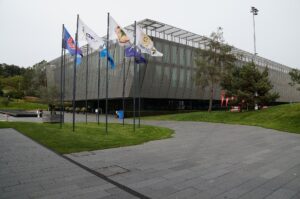
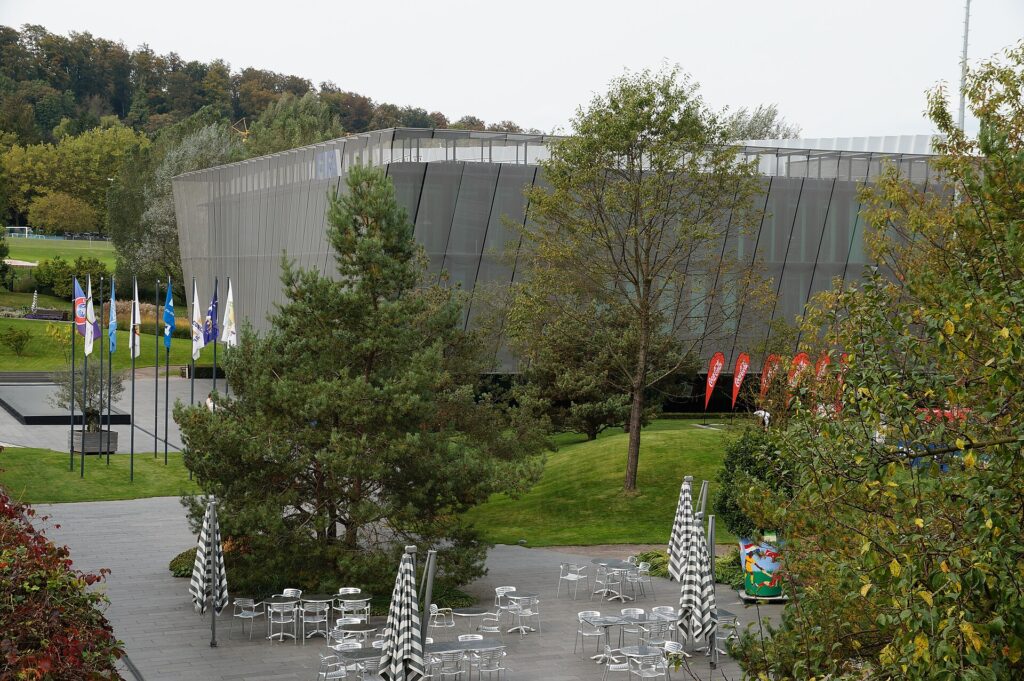
Images: Cover: albinfo / Wikimedia Commons (CC BY-SA 4.0); Figure 1: albinfo / Wikimedia Commons (CC BY-SA 4.0)
How this article was made: Football Africa uses AI tools to structure, format and optimise its articles, and occasionally to produce illustrated covers where no free photograph exists. The reporting these articles are based on is human-produced and cited above. Spotted an error? Write to [email protected] and we will correct it. — The editors How we work.