Rabat 2025 to leaked memos in 2026: inside DR Congo’s Mpasi eligibility saga
8 min read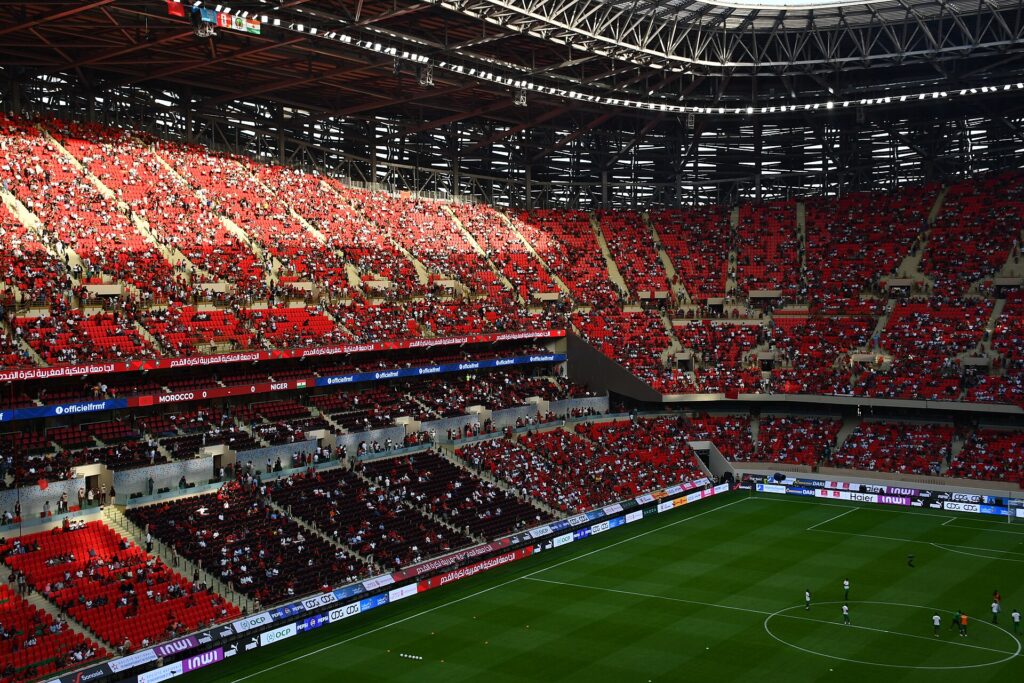
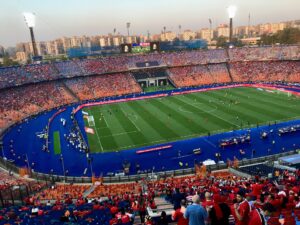
On 16 November 2025 in Rabat, Morocco, Africa’s final World Cup ticket went to DR Congo on penalties. Nigeria had dragged the play-off to extra time, finished 1-1, and then fell 4-3 in the shoot-out. It looked settled.
A year later, it wasn’t. Reports by The New York Times and Le Monde, cited by Premium Times and Africanews, say internal FIFA documents show DR Congo’s goalkeeper Lionel Mpasi never completed the process to change his international association from France to DR Congo. According to those reports, FIFA’s own lawyers identified the problem in March 2026. Yet no sporting sanction followed, and Nigeria stayed home for 2026.
Rabat 2025: Africa’s last ticket decided on spot kicks
The Rabat play-off on 16 November 2025 was Africa’s last step to the World Cup. Nigeria and DR Congo finished 1-1 after extra time; the Leopards took the shoot-out 4-3. Nigeria then lodged a formal complaint to FIFA, challenging the eligibility of several DR Congo players. Premium Times reports that the complaint was rejected on technical grounds, and the NFF said it would appeal.
That procedural defeat did not end the matter. The Premium Times story notes that the case resurfaced when The New York Times reported that FIFA’s legal officials later concluded Mpasi had not been properly cleared to play for DR Congo. Le Monde, as cited by Premium Times, reported FIFA lawyers discovered the issue in March 2026, shortly before DR Congo faced Jamaica in the intercontinental play-off.
The Mpasi file and an unfinished switch
Mpasi, 32, was born in France and represented the country at youth level. According to the reports referenced by Premium Times and Africanews, DR Congo began the process to change his international association in 2021, but it was never completed. That meant, per the FIFA documents those outlets cite, that he was not properly cleared to play for DR Congo.
FIFA told The New York Times its committees are autonomous and decide cases based on applicable regulations and the specific facts before them. The governing body has not publicly accepted that its handling of the Nigeria complaint was improper. The New York Times reporting, as summarized by Premium Times, says FIFA’s committee weighed several options after Nigeria’s filing — including awarding the Rabat match to Nigeria, sanctioning DR Congo, replacing DR Congo with Nigeria in the intercontinental play-off against Jamaica, or taking no action because Nigeria’s complaint had been filed late. Ultimately, FIFA imposed no sporting sanction that changed the qualification path.
What happened next on the pitch: DR Congo’s route and World Cup run
DR Congo beat Jamaica in March 2026 in the intercontinental play-off to reach the World Cup — their first in 52 years, Premium Times reports. Africanews adds that Mpasi “participated in all four of Congo’s games at the World Cup, including the 1-1 tie against Cristiano Ronaldo and Portugal,” and “played in five qualifiers over the past year including a win over Jamaica in March that sent Congo to its first World Cup in more than five decades.”
At the tournament, DR Congo reached the knockout stage after drawing with Portugal and beating Uzbekistan, then lost 2-1 to England in the last 32, with Mpasi starting in goal, according to Premium Times. Those appearances became part of the controversy once the internal findings reported by The New York Times and Le Monde came to light.
| Date | Event |
|---|---|
| 16 November 2025 | Nigeria 1-1 DR Congo AET; DR Congo win 4-3 on pens in Rabat (African play-off final) |
| March 2026 | Le Monde (via Premium Times) says FIFA lawyers discovered Mpasi’s switch had not been completed |
| March 2026 | DR Congo beat Jamaica in the intercontinental play-off to qualify for the World Cup (Premium Times) |
| — | DR Congo draw with Portugal and beat Uzbekistan at the World Cup; lose 2-1 to England in last 32 (Premium Times) |
| 6 October 2026 | Media reports by The New York Times and Le Monde alleged FIFA knew Mpasi was ineligible (Premium Times; Africanews) |
Precedent or exception? Forfeits elsewhere and the consistency test
Premium Times points out that FIFA has previously taken strong action against teams that fielded ineligible players. South Africa forfeited a 2026 World Cup qualifier against Lesotho after using suspended midfielder Teboho Mokoena. Outside Africa, Bolivia forfeited two 2018 World Cup qualifying matches after fielding Nelson Cabrera, who was ruled ineligible.
Africanews further reports that, according to the FIFA documents at the heart of the Mpasi case, defaulting DR Congo’s results in qualifying games in which Mpasi played would have enabled Burkina Faso instead to reach the African playoffs. That hypothetical underlines why Nigeria’s complaint and the reported internal findings are not academic. The key question raised by the Premium Times report is whether FIFA applied its rules consistently when it opted against a sporting sanction that altered the qualification process.
Nigeria’s filing, the technical rejection and what Abuja is weighing now
Nigeria’s original complaint, Premium Times notes, went beyond Mpasi and questioned the status of several DR Congo players, alleging FIFA may have been given misleading information when clearing them. FIFA rejected that filing “on technical grounds,” according to Premium Times, and the NFF said it was appealing. Former NFF president Ibrahim Gusau, who was in charge when the complaint was submitted, told TheCable (as quoted by Premium Times) that FIFA “just kept quiet, and they can’t tell anyone because they know it’s going to be a serious crisis for them,” arguing the body had not fully disclosed what its investigation found.
The new reporting has opened a different path. A senior National Sports Commission official told ESPN, per Premium Times, that Nigeria is considering seeking compensation from FIFA for losses tied to missing the World Cup: “Nothing has been decided yet, but we will seriously consider seeking compensation from FIFA for all of the economic losses this has cost Nigeria.” The official listed potential losses including NFF and Super Eagles revenue, sponsorship, player exposure and wider economic benefits, adding: “We are exploring all our options as a country, and nothing is off the table.”
The detail
Inside the committee’s options and the qualification permutations
Premium Times’ summary of The New York Times reporting sets out the fork in the road FIFA faced: award the Rabat match to Nigeria, sanction DR Congo in some other way, replace DR Congo with Nigeria in the intercontinental play-off against Jamaica, or decline to act because Nigeria’s complaint arrived late. Each pathway would have produced a distinct sporting map for Africa’s World Cup representation. Awarding the one-off to Nigeria would have instantly flipped the African berth; replacing DR Congo in the Jamaica play-off would have created a knock-on, time-sensitive logistical change to a slot FIFA ultimately kept intact.
Africanews adds a different lens: according to the FIFA documents in question, defaulting DR Congo’s qualifying results in which Mpasi featured would have enabled Burkina Faso to reach the African playoffs instead. That scenario touches the earlier stages of qualifying rather than the single Rabat playoff, and it underlines why eligibility enforcement is not just about a single protest window or a one-off administrative ruling. It is about the integrity of an entire pathway of fixtures. Set against prior examples Premium Times cites — South Africa’s forfeiture over a suspended player and Bolivia’s loss of points in 2018 — the reported options show how late filings and tournament calendars can narrow remedies to the point where the status quo holds, even when internal findings flag a breach.
Autonomy, politics, and timing: why the handling drew scrutiny
FIFA told The New York Times (via Premium Times) that its committees are autonomous and decide on the specific facts and regulations in front of them. The governing body has not publicly accepted the claim that the case was mishandled. The New York Times also reported, according to Premium Times, that questions have been raised about whether political considerations influenced the decision — a charge FIFA counters with the independence of its judicial committees.
Premium Times sets out the context that sharpened that scrutiny: FIFA president Gianni Infantino’s long professional relationship with Véron Mosengo-Omba, the president of DR Congo’s football federation, and the timing of the Africa swing. Infantino was expected to meet African football officials in Cape Verde in the week the reports surfaced, as he sought support ahead of the FIFA presidential election scheduled for March. With Africa’s 54 member associations an important voting bloc, the optics of a high-stakes eligibility case touching an African qualifier were always going to carry weight — even as Premium Times makes clear there is no evidence Infantino ordered the case dismissed or took part in the decision.
The open questions for the next complaint and the next switch
Premium Times’ reporting concludes with two live tracks. First, Nigeria and the National Sports Commission could seek a review of FIFA’s handling of the complaint and pursue financial claims for losses. Second, the broader consistency question will not go away: FIFA has “previously taken strong action” in eligibility breaches; now, the Mpasi case tests whether that standard is applied even when filings are late and calendars are tight.
Africanews underscores what is at stake in enforcement: if, as those internal documents reportedly suggest, defaulting results would have altered the African playoffs picture, then filing windows, documentation checks and committee timelines become sporting determinants as much as administrative ones. For the next protest — and the next player attempting to change association — the Rabat match, the March 2026 discovery and the choices that followed are now part of the archive officials will study before deciding what to do.
Sources: FIFA knew DR Congo used ineligible goalkeeper against Nigeria, report reveals (www.premiumtimesng.com); Media reports allege FIFA knew Congo's Mpasi was ineligible for World Cup (www.africanews.com)
Images: Cover: Reda benkhadra / Wikimedia Commons (CC BY-SA 4.0); Figure 1: albinfo / Wikimedia Commons (CC BY-SA 4.0)
How this article was made: Football Africa uses AI tools to structure, format and optimise its articles, and occasionally to produce illustrated covers where no free photograph exists. The reporting these articles are based on is human-produced and cited above. Spotted an error? Write to [email protected] and we will correct it. — The editors How we work.