Nine months out, East Africa’s AFCON 2027 race shows how CAF checks hosts — and how a move would be weighed
8 min read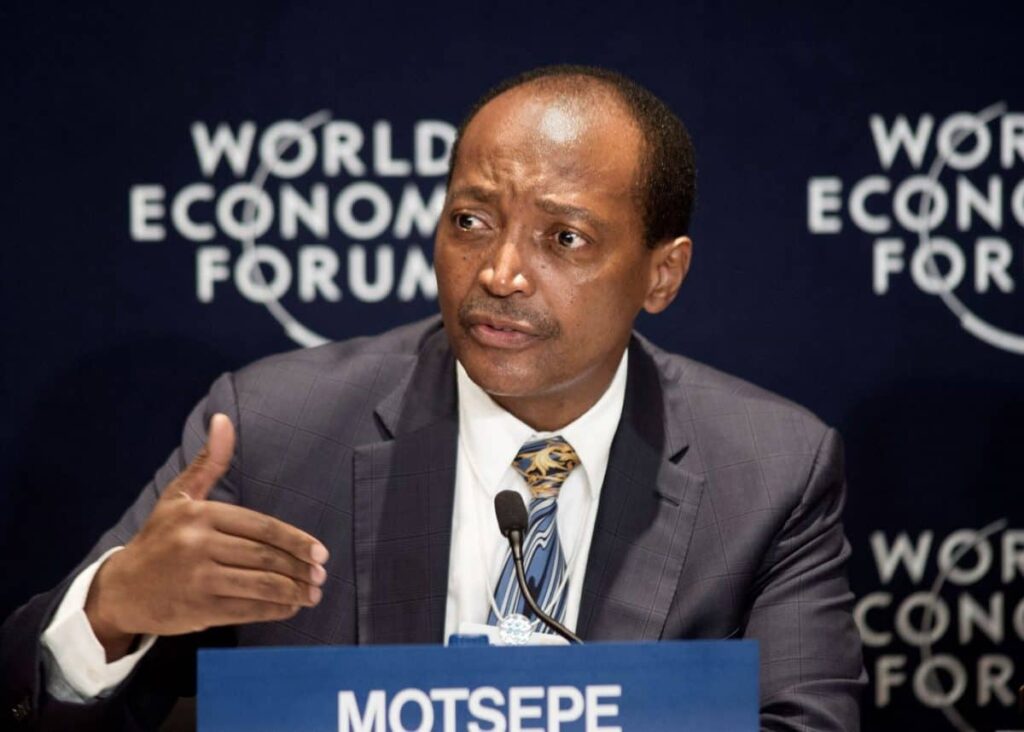
Less than nine months before kick-off, Kenya, Tanzania and Uganda are pushing to deliver AFCON 2027 — the tournament’s first return to East Africa since 1976 — while the Confederation of African Football (CAF) has already been on the ground checking whether the venues and training bases will be ready. A CAF delegation visited the three countries in September to assess progress on newly built infrastructure, including stadiums and training grounds.
There is no shortage of urgency. Construction is running late across the three nations and doubts remain over their ability to host such a massive event. CAF president Patrice Motsepe has called the preparations an emergency and publicly denied the possibility of a relocation. Yet, according to Le Monde as relayed by Africanews, CAF has reportedly contacted Morocco, South Africa and Algeria as potential short-notice alternatives — a contingency that frames the stakes, and offers a clear window into how CAF evaluates hosts and, if needed, weighs a move.
What CAF is inspecting right now in East Africa
CAF’s September visit was focused on the nuts and bolts that decide tournament readiness: newly built infrastructure, specifically stadiums and training grounds. That is the core inventory a continental championship lives on, and it’s the part CAF has already put eyes on. The mission’s remit — to assess progress — speaks to a simple test: do the match venues and the daily training sites meet the standard and the timelines?
In Kenya, the inspection spotlight inevitably falls on Nairobi’s Talanta Sports International Stadium, described as the flagship project. With a 60,000-seat capacity and reportedly nearing completion, it is the most concrete signal of what the co-hosts want to deliver. The same visit took in projects across Tanzania and Uganda, with the emphasis on whether construction is sufficiently advanced to align with the June 2027 start.
The timeline we actually have — and why it matters
The calendar is stark: AFCON 2027 kicks off in June 2027. CAF’s on-site assessment came in September 2026, less than nine months from opening day, and Motsepe has since underlined the urgency while rejecting talk of a move. That sequence matters because CAF’s inspections provide the factual basis for any subsequent decisions — and the public stance from its president frames what the organisation is and isn’t prepared to contemplate right now.
Beyond those fixed points, the picture is defined by delays. Africanews reports construction is running late across the three nations, which is the pressure point CAF’s September visit was designed to illuminate. With doubts still being voiced about the hosts’ ability to stage “such a massive event”, the inspection-to-decision chain is already in motion: observe progress, judge feasibility against the calendar, keep options in reserve if needed.
| Item | From the source |
|---|---|
| Kick-off window | June 2027 |
| Hosts | Kenya, Tanzania and Uganda |
| Recent CAF action | In September, a CAF delegation visited the three countries to assess progress on newly built infrastructure, including stadiums and training grounds. |
| Kenya’s flagship venue | Talanta Sports International Stadium (Nairobi), capacity 60,000; reportedly nearing completion. |
| State of works | Construction is running late across the three nations; doubts remain over their ability to host. |
| CAF president’s line | Patrice Motsepe said preparations were an emergency and denied the possibility of a relocation. |
| Contingency reported | According to Le Monde, CAF has reportedly approached Morocco, South Africa and Algeria as potential alternative hosts. |
Stadiums and training bases: what ‘ready’ means in practice
CAF’s September mission homed in on “newly built infrastructure, including stadiums and training grounds” — the two pillars that determine whether a tournament can run. Stadiums must be completed and capable of hosting matches; training grounds must be available in sufficient number and condition for daily use by teams. The source does not list exact stadium counts or technical benchmarks, but the emphasis on these facilities makes clear where the pass/fail risk lies.
Against that bar, Talanta Sports International Stadium is the bellwether project the Kenyan side of the bid will be judged on. Its 60,000 seats and reported near-completion give CAF a tangible yardstick inside a wider landscape where projects are running behind. Across the three co-hosts, progress on their match venues and the parallel network of training pitches is the practical definition of “readiness” that CAF has already moved to verify on site.
Why the clock is loud: three countries, shared delays
Africanews is explicit about the state of play: “construction is running late across the three nations” and “doubts remain over their ability to host such a massive event.” That shared lag elevates both the complexity and the risk. Co‑hosting can spread load, but it also multiplies the critical paths. With less than nine months to go, any slippage in one country can cascade onto the overall schedule, because the calendar does not move.
CAF’s response so far has been twofold in public: inspect and urge urgency. The September visit set a baseline of what is where; Motsepe’s “emergency” language underlined the demand for acceleration. In that context, the value of each month to the co‑hosts is enormous. Every visible milestone — like the reported near‑completion of the 60,000‑seat Talanta Stadium — is both a deliverable and a proof point for CAF’s running assessment.
Public denial, private contingency? Reading the signals
Motsepe’s message has been firm: preparations are an emergency, but he has denied that a relocation is on the table. Even as that line was being made, French outlet Le Monde, as cited by Africanews, reported that CAF has approached Morocco, South Africa and Algeria as potential short‑notice alternatives “if needed”. Those two facts are not contradictory; they map onto different layers of decision‑making — public commitment to the project and private contingency planning.
The outreach report matters because it shows how CAF manages risk without pre‑judging its hosts. Contacting potential backups does not equal triggering a move; it is an option‑gathering step that sits behind the ongoing inspections. In other words, East Africa remains the plan — AFCON’s first return to the region since 1976 — while CAF keeps a safety net in place in case the late‑running works cannot be completed in time.
The detail
The relocation trigger — reading CAF’s posture from the facts we have
From the available facts, the decision tree looks like this: CAF has already been on site (September) to inspect the decisive inputs — stadiums and training grounds — and its president has publicly insisted the tournament is staying put while calling the situation an emergency. In parallel, per Le Monde’s reporting relayed by Africanews, CAF has sounded out three heavyweight federations (Morocco, South Africa, Algeria) that could stage a tournament on short notice. That combination tells you how a relocation would be weighed in practice. First, an inspection‑led assessment of whether match venues and daily training bases can be delivered to the required standard by June 2027. Second, a political and logistical calculation about whether the risk profile still aligns with keeping the event in place. Only if that on‑the‑ground verdict turned negative would the contingency outreach become action. The source does not set formal thresholds or dates for that call; it simply establishes that CAF is checking the build progress and that credible alternatives have been sounded out should “if needed” become “now needed.”
Who is on standby — and what that really means
Le Monde’s report, cited by Africanews, names three prospective backups: Morocco, South Africa and Algeria. The phrasing matters: CAF has “reportedly approached” them and they are framed as countries that could host on short notice if needed. There is no official relocation decision in that; it is a list of potential alternatives, not a transfer of hosting rights.
Why these three? The source does not explain the selection, and it does not provide any stadium counts or readiness metrics for them. What it does make clear is the intent: to have realistic options in reserve while the co‑hosts work to finish late‑running projects. Until or unless CAF declares otherwise, East Africa remains the venue — with a contingency net quietly in place.
The Nairobi bellwether: Talanta Sports International Stadium
If there is a single project that encapsulates Kenya’s side of the bid, it is the Talanta Sports International Stadium. Africanews describes it as the flagship project, with 60,000 seats and reportedly nearing completion. In a preparation phase defined by catch‑up work, a single near‑finished, high‑capacity venue is a significant proof point.
CAF’s September visit will have given the inspectors a close look at Talanta’s state of play alongside other venues and training pitches across the three countries. While the source does not list additional stadiums or training sites, it underlines the logic of CAF’s checks: match venues and training bases are the foundation. Each visible step at Talanta, and across Tanzania and Uganda, helps narrow the gap between plans on paper and delivery on the ground.
What comes next for Kenya, Tanzania and Uganda
From here, the task for the three co‑hosts is to convert “racing to finish” into finished facilities. CAF has already shown it is actively tracking progress through its September delegation, and Motsepe has publicly defined the tempo by calling preparations an emergency. That combination — inspection plus urgency — is the clearest guide to the immediate future.
For readers following the calendar, the fixed point is June 2027. Everything else is cadence: complete the stadiums and training grounds that CAF inspected in September; show visible progress against the late‑running tag; and, in doing so, make the question of relocation a hypothetical that never needs to be tested. The source does not set further inspection dates or thresholds, but it makes one thing explicit: this is the sprint to deliver AFCON’s first return to East Africa since 1976, with eyes across the continent watching the clock.
Sources: East African countries are racing to finish preparations ahead of AFCON 2027 (www.africanews.com)
Images: Cover: CGZ G3N3 / Wikimedia Commons (CC BY-SA 4.0); Figure 1: Happiraphael / Wikimedia Commons (CC BY-SA 4.0)
How this article was made: Football Africa uses AI tools to structure, format and optimise its articles, and occasionally to produce illustrated covers where no free photograph exists. The reporting these articles are based on is human-produced and cited above. Spotted an error? Write to [email protected] and we will correct it. — The editors How we work.