Namboole 2016 — Miya ends Uganda’s 38‑year AFCON wait
7 min read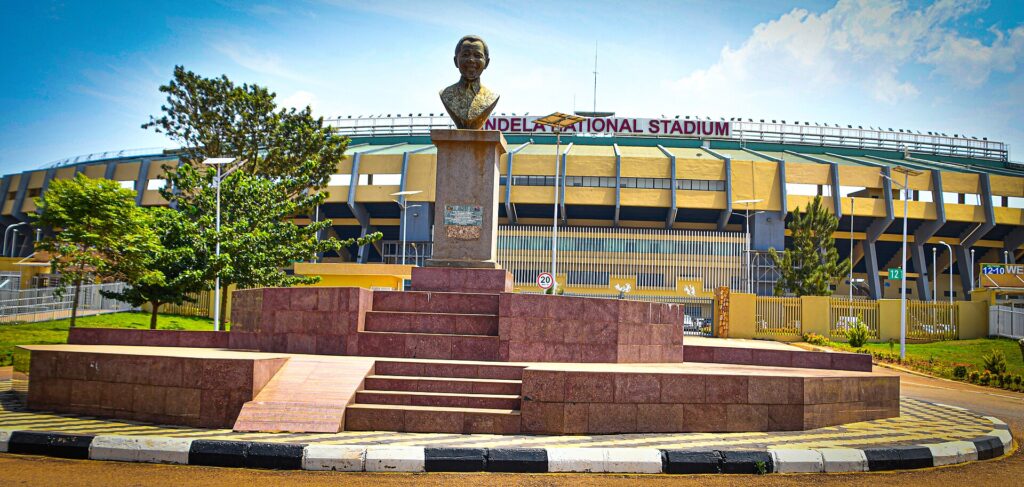
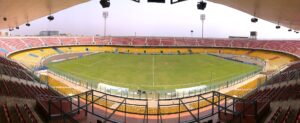
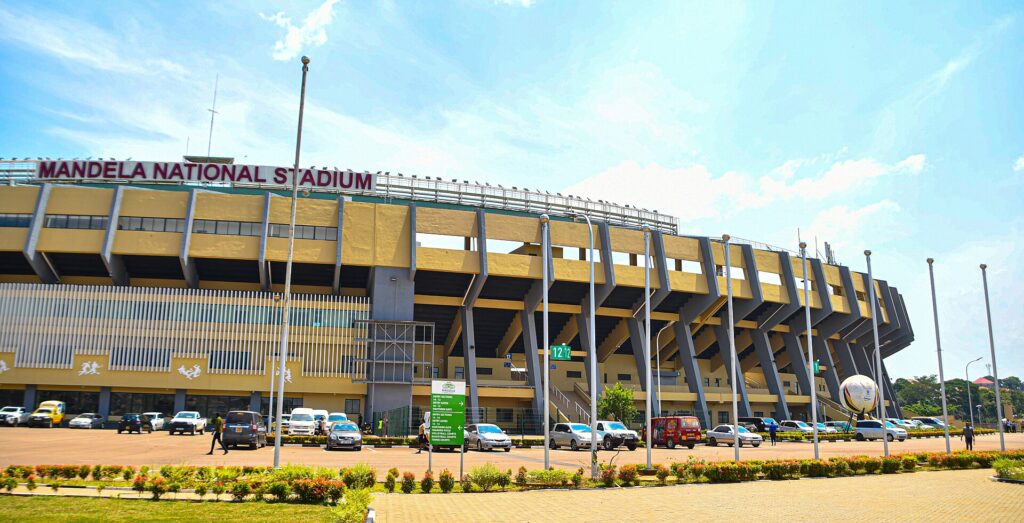
The moment arrived in the 35th minute at Mandela National Stadium, Namboole. Moses Oloya slipped the chance and Farouk Miya thrashed his finish into the roof of the net past Comoros goalkeeper Ali Ahamada — the strike that ended Uganda’s 38‑year absence from the Africa Cup of Nations.
It finished 1-0 and, with more than 40,000 inside the ground, the Cranes protected the lead until the final whistle. Players fell to their knees in prayer and head coach Milutin “Micho” Sredojević was hoisted into the air, while celebrations spilled beyond Namboole to Kampala and across the country — the payoff for a finale in which Uganda needed a victory to secure a place among the best runners‑up.
The 35th minute at Namboole that ended 38 years
What defined the day was its clarity: win, and the wait was over. Oloya’s creation and Miya’s decisive strike past Ahamada provided the breakthrough; then it was nerve. Uganda, roared on in a packed Namboole, saw out the one‑goal margin that finally booked a return to Africa’s biggest stage for the first time since 1978.
When the whistle came, the images matched the stakes. The squad’s spontaneous prayers and Micho’s players lifting him captured the scale of a result that had been framed, all week, as a simple requirement: three points on the final day of Group D qualifying to be among the best runners‑up. On 4 September 2016, they got them.
Who made it happen: the XI and the coach
The side that delivered the result was settled and senior. Denis Onyango started in goal; the back four was Nicholas Wadada, Isaac Isinde, Murushid Juuko and Joseph Ochaya. In midfield, Khalid Aucho, Tonny Mawejje and Moses Oloya formed the trio, with William Luwagga Kizito, Farouk Miya and captain Geoffrey Massa leading the line.
On the touchline was Milutin “Micho” Sredojević, the coach carried aloft in the aftermath. This group’s blend of experienced spine and match‑deciding quality — under a coach whose players’ celebrations told their own story — set the platform for what followed over the next three years.
| Unit | Names |
|---|---|
| In goal | Denis Onyango |
| Defence | Nicholas Wadada; Isaac Isinde; Murushid Juuko; Joseph Ochaya |
| Midfield | Khalid Aucho; Tonny Mawejje; Moses Oloya |
| Attack | William Luwagga Kizito; Farouk Miya; Geoffrey Massa (captain) |
Noise, pressure and the best runners‑up route
Uganda entered the final day with the arithmetic stark: only a win would do to secure a place among the best runners‑up. That clarity sharpened the occasion at Namboole and framed every clearance and duel after Miya’s goal. The crowd — more than 40,000 — held its breath through a second half defined by game management rather than flourish.
The relief afterward was national. AllAfrica’s account captured how celebrations leapt from the stadium to Kampala’s streets and beyond, a release of a 38‑year tension since the Cranes’ last AFCON appearance in 1978. The runner‑up pathway is rarely romantic; here it was unforgiving and, ultimately, decisive.
Gabon 2017: Ghana, Egypt, Mali — and Miya’s goal
Qualification delivered a finals draw with Ghana, Egypt and Mali in Group D at the 2017 AFCON in Gabon. Uganda exited at the group stage, but Miya still imprinted the tournament: he scored the Cranes’ only goal of the finals in a 1-1 draw against Mali.
The contrast with Namboole was instructive: the razor‑edged demand of “win today” gave way to tournament learning against continental heavyweights. Even so, Miya’s goal in Gabon linked the two moments — the scorer of the goal that sent Uganda back also scored the goal that announced their return on the finals stage.
Recognition followed quickly
The breakthrough was reflected beyond the scoreboard. Denis Onyango was named the 2016 CAF African Player of the Year based in Africa, a recognition tied to his performances for both Uganda and Mamelodi Sundowns. In the same awards cycle, Uganda were named CAF National Team of the Year.
Those honours tracked with what AllAfrica describes as “the beginning of a stronger continental run.” They placed individuals and the collective on the continent’s honours roll, a signal that the 2016 win had shifted how the Cranes were judged — no longer as nearly‑men, but as a team whose results demanded continental notice.
The detail
From Namboole to a new baseline, 2016–2019 and beyond
The arc that begins with Miya’s finish runs through three fixed points AllAfrica sets out. First, Namboole in 2016, when Uganda needed a final‑day win to be among the best runners‑up — a pressure valve released by a single first‑half goal and game management in front of a vast home crowd. Second, Gabon 2017, where the draw paired the returning Cranes with Ghana, Egypt and Mali; the group‑stage exit was offset by Miya again finding the net, the only Ugandan goal of the finals in a 1-1 draw with Mali. Third, Egypt 2019, reached on the back of that reset, where Uganda advanced to the Round of 16.
Threaded through is recognition: Denis Onyango’s 2016 award as CAF African Player of the Year based in Africa, and the Cranes named CAF National Team of the Year. None of this requires romanticising. It’s a clean ledger: qualification after 38 years, a finals goal and lessons in Gabon, another qualification and knockout football in Egypt. The next fixed point, as AllAfrica notes, is administrative and symbolic: Uganda is set to co‑host AFCON 2027 alongside Kenya and Tanzania — a sign that the standard set in 2016 has been sustained at multiple levels.
A second step: Egypt 2019 and the Round of 16
AllAfrica’s record is clear that the 2016 return unlocked momentum: the Cranes subsequently qualified for the 2019 AFCON in Egypt and reached the Round of 16. In tournament terms, that is the concrete upgrade from “returnees” to “competitive,” and it is why the Namboole win reads, with hindsight, as more than a one‑off catharsis.
The timeline matters. From the decisive September 2016 night through group‑stage exposure in Gabon to knockout participation in Egypt, the sequence delineates a new expectation line for Uganda. By the close of that three‑year window, the Cranes’ modern history had a hinge — and it turned in Kampala.
From return to hosting: 2027 on the horizon
There is also a continental stage to come. Uganda is set to co‑host AFCON 2027 alongside Kenya and Tanzania, a marker that exists in the same paragraph as the 2016 return in AllAfrica’s telling of recent football history. Co‑hosting will place the Cranes in a home‑tournament frame that owes its credibility, in part, to the standards and visibility established since the long wait ended.
The symbolism is direct: the country that waited 38 years to return to AFCON is now preparing to stage it with its neighbours. However the co‑hosting specifics unfold, the post‑2016 pattern — results, recognition, repeat qualification — is what makes that sentence plausible in a straight news brief. It’s the line from Miya’s finish at Namboole to an AFCON on East African soil.
What still flows from that Sunday in Kampala
Strip the nostalgia and the facts endure. Uganda needed three points, Oloya made the chance, Miya scored past Ahamada, and the Cranes held out in front of more than 40,000. They celebrated in prayer, lifted their coach, and took those points into Gabon, then Egypt, and now toward a hosting role in 2027.
For a generation of supporters in Kampala and beyond who only knew the “wait,” that 1-0 was a reset of what to expect from the shirt. The next chapters will be written on the field and in the organisation required for co‑hosting. But whatever follows, 4 September 2016 remains the date that moved Uganda’s modern football calendar forward by decades in a single, decisive strike.
Sources: Uganda: Today in History – Uganda Cranes Return to Afcon After 38-Year Wait (allafrica.com)
Images: Cover: Ssemmanda will / Wikimedia Commons; Figure 1: Ssemmanda will / Wikimedia Commons
How this article was made: Football Africa uses AI tools to structure, format and optimise its articles, and occasionally to produce illustrated covers where no free photograph exists. The reporting these articles are based on is human-produced and cited above. Spotted an error? Write to [email protected] and we will correct it. — The editors How we work.