Two years or four? AFCON’s calendar fight returns
6 min read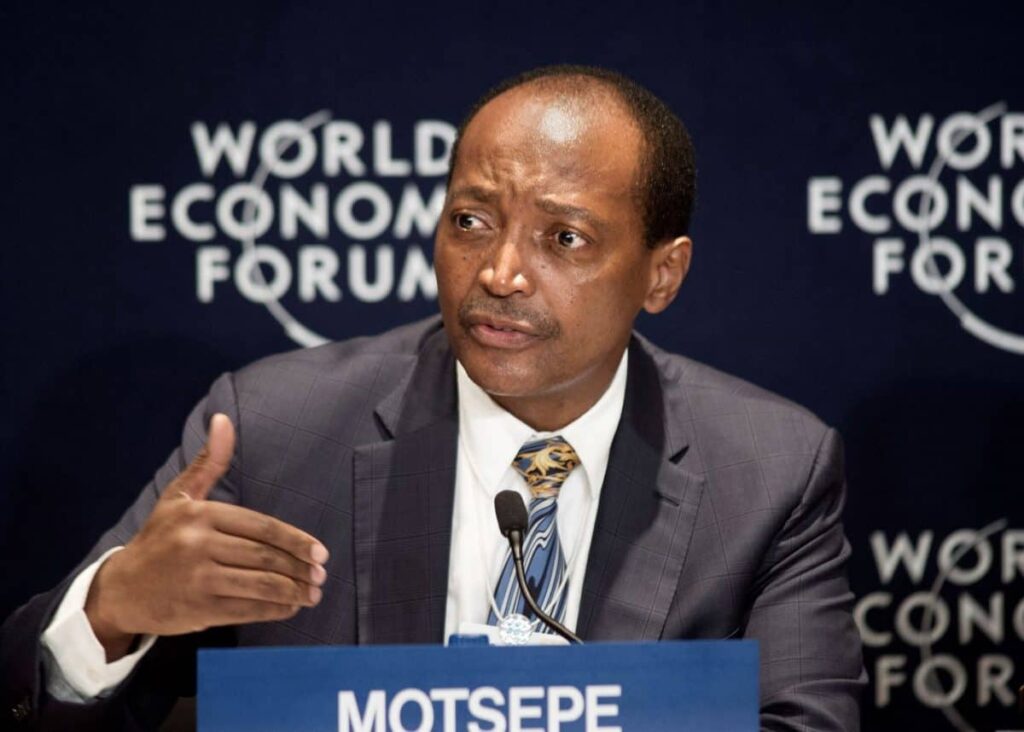
The Africa Cup of Nations has been the continent’s fixed point for almost six decades, but its calendar is again up for debate. CAF president Patrice Motsepe has confirmed the proposed switch to a four-year cycle is under review, reopening a question that has defined AFCON’s visibility and value since the tournament settled into a two‑year rhythm in 1968, save for a one‑year gap between the 2012 and 2013 editions.
The stakes are immediate and structural. National associations have warned that stretching the interval risks diminishing their teams’ visibility and unsettling commercial plans, and they have asked where Africa’s flagship event would sit in the global calendar. That pushback helped force the matter back onto the agenda — and it comes as a separate, extraordinary storyline plays out in court over who will be crowned champions in a recent final.
The biennial spine since 1968 — and why it mattered
CAF’s own public baseline is clear: the tournament has taken place every two years since 1968. That consistent cadence has underpinned how federations plan cycles, how broadcasters and sponsors map their spending, and how African football stays present in the global conversation.
There has been one notable interruption to that drumbeat: a one‑year gap between the 2012 and 2013 editions. The gap stands out precisely because the two‑year rhythm is otherwise the rule. That regularity has made AFCON a predictable anchor for national teams and commercial partners alike.
A one-year gap between 2012 and 2013 — a rare deviation
The back‑to‑back staging of AFCON in 2012 and then 2013 created a one‑year gap rather than the usual two between tournaments. CAF’s record of that fact is important context for today’s debate: even a single‑year adjustment can reshape how federations and stakeholders sequence their work and expectations.
Beyond being a marker in the timeline, that 2012–13 deviation shows how sensitive the AFCON ecosystem is to scheduling tweaks. When the tournament’s clock moves, competitive planning, player workloads and commercial windows move with it — concerns that reappear in the current review.
The 2025 plan: a four-year AFCON after 2027 and a 2028 edition
CAF said in December 2025 it would shift AFCON to a four‑year cycle after the 2027 tournament in East Africa and an additional edition in 2028. That sequencing — 2027, then 2028, then a move to every four years — set out a significant long‑term change in how often Africa’s showpiece would be staged.
The announcement drew widespread criticism across the continent. National associations raised concerns over their teams’ visibility, the commercial implications, and how Africa’s biggest competition would fit within the international football calendar. Those are the core dimensions by which any AFCON schedule is ultimately judged.
Why the pushback: visibility, money and the calendar’s crowded lanes
Criticism of the 2025 plan crystallised around three phrases repeated by national associations: visibility, commercial implications and calendar fit. Visibility is not abstract here; it is the cadence by which national teams appear in a top‑tier, continent‑wide window watched at home and abroad. A longer gap changes that cadence and can blunt momentum built around teams and players.
Commercial implications are inseparable from frequency. When a tournament’s interval lengthens, the cycle of sponsorships, broadcast deals and matchday‑adjacent revenue changes with it. And the international calendar is unforgiving: moving AFCON’s slot requires a careful reckoning with where its dates would sit among other competitions and release windows.
Motsepe in Cape Verde: ‘We are looking at everything’
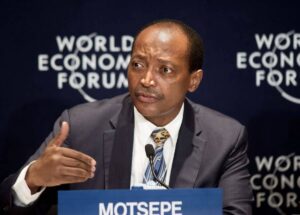
Speaking at a CAF strategy conference in Cape Verde, Patrice Motsepe acknowledged the reconsideration directly. “We’ve discussed it over the last few days,” he said. “We are looking at everything, including having the Afcon coming back every two years. We are very clear, the matter is being reviewed.”
That framing matters. It signals that the shift announced in December 2025 is not a fait accompli, and that feedback from associations is part of the calculus. A review at this stage also recognises how intertwined AFCON’s rhythm is with national team planning cycles and commercial partners’ timelines.
A final in court: AFCON’s stakes in real time
The symbolic weight of AFCON is also playing out away from the pitch. Senegal are waiting to hear the result of an appeal to the Court of Arbitration for Sport after being stripped of the AFCON title they thought they had won in January. The BBC has framed it bluntly: the final will play out in court, with the question of when Morocco or Senegal will be crowned champions still open.
That controversy underscores what is at stake when CAF sets the tournament’s clock. Titles, legacies and the continental narrative hang on AFCON’s outcomes, and the tournament’s rhythm determines how often that drama returns. Against that backdrop, associations’ concerns about visibility and commercial implications carry even more weight.
The detail
Inside the calendar trade-off CAF is weighing
A two-year AFCON is the model Africa has lived with since 1968; a four-year model was announced in December 2025 to take effect after the 2027 tournament in East Africa and a 2028 edition. The review now on the table — confirmed by Patrice Motsepe in Cape Verde — is anchored in three issues national associations highlighted: visibility, commercial implications, and the international calendar. “Visibility” in this context is the frequency of a top‑tier stage for national teams; fewer editions inherently mean fewer windows to showcase squads and storylines. Commercially, the interval defines how often sponsors, broadcasters and host markets can activate around the continent’s biggest event.
The third axis is the calendar’s geometry. National associations have asked where AFCON would sit in the international football calendar — a practical constraint given domestic leagues, continental interclub competitions and national team windows that must mesh. A four-year AFCON changes the cadence of qualification and finals, re‑shaping how associations plan competitive cycles and assemble squads. That is why Motsepe’s line — “We are looking at everything” — resonates: any decision must balance continuity since 1968 against the altered frequency sketched in 2025, and it must do so without creating clashes or long periods of inactivity for national teams.
| Year/period | Status/change | Source reference |
|---|---|---|
| Since 1968 | Held every two years | BBC Sport Africa, 9 Oct 2026 |
| 2012–2013 | One-year gap between editions | BBC Sport Africa, 9 Oct 2026 |
| Dec 2025 | Shift to four years announced after 2027 and a 2028 edition | BBC Sport Africa, 9 Oct 2026 |
| Oct 2026 | Four-year move under review; biennial return considered | BBC Sport Africa, 9 Oct 2026 |
From announcement to review: how fast things turned
The fact that the December 2025 announcement is already under review underlines how fluid the AFCON calendar remains. What seemed a long‑term repositioning has, under pressure from associations and stakeholders, been reopened before it could be implemented.
This speed matters because it preserves optionality. CAF can still decide between two and four years without having locked in multiple future cycles. In effect, the institution has kept the door open to remain aligned with the historical two‑year cadence that has defined AFCON since 1968.
What comes next if the review shifts course
If CAF keeps AFCON biennial, it would align with the pattern stated since 1968 and address associations’ stated worries about visibility and commercial disruption. If it proceeds with the four‑year plan outlined in December 2025, the confederation will need to spell out how the tournament sits in the international calendar and how it will mitigate the visibility and commercial gaps raised by national associations.
Either path will require clarity on sequencing after the 2027 tournament in East Africa and the 2028 edition mentioned in the 2025 announcement. For now, the only firm point is Motsepe’s message from Cape Verde: the matter is being reviewed, and “we are looking at everything,” including a return to every two years.
Sources: Afcon move to every four years under review by Caf (feeds.bbci.co.uk)
Images: Cover: CGZ G3N3 / Wikimedia Commons (CC BY-SA 4.0); Figure 1: Happiraphael / Wikimedia Commons (CC BY-SA 4.0)
How this article was made: Football Africa uses AI tools to structure, format and optimise its articles, and occasionally to produce illustrated covers where no free photograph exists. The reporting these articles are based on is human-produced and cited above. Spotted an error? Write to [email protected] and we will correct it. — The editors How we work.