A licence locks the dugout: Malawi’s World Cup coach hits a rule wall
7 min read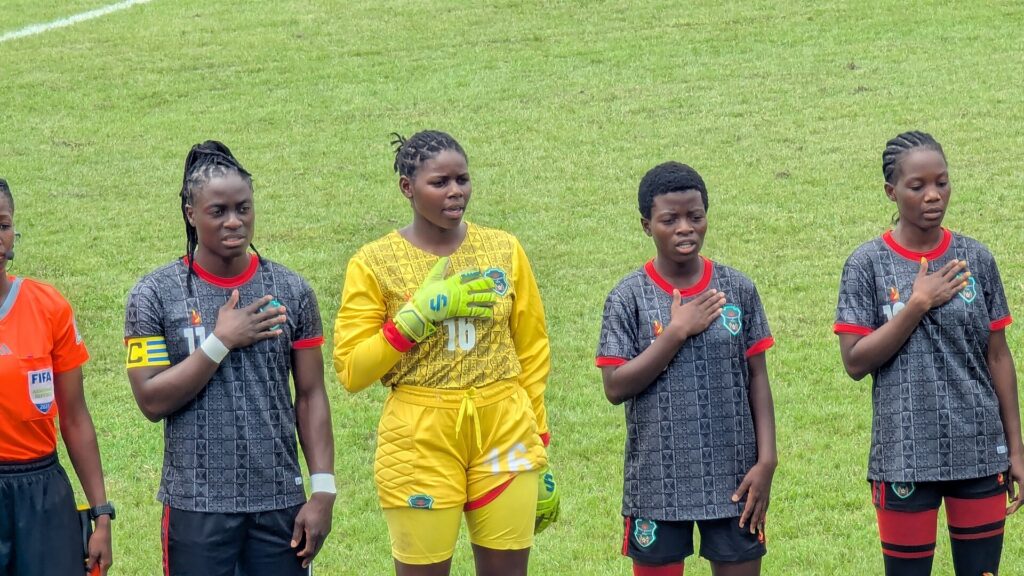
He took Malawi to a historic World Cup — and now he’s set to watch the finals from the technical fringes. Football Association of Malawi (FAM) president Fleetwood Haiya has confirmed that Lovemore Fazili, the architect of the Scorchers’ qualification, will not be in the dugout at the 2027 FIFA Women’s World Cup because he does not hold a CAF A coaching licence.
It is a harsh twist for a 50‑year‑old coach credited with building momentum and belief. Haiya says Fazili will remain on the technical panel in a different role and is among the coaches set to sit a CAF A course that FAM will run between November and December this year. But with Malawi’s World Cup paperwork due to be with FIFA before that course even begins, the registration clock is already ticking — and whether a late‑won licence could change the picture remains to be seen.
The rule in play: a CAF A licence gates the dugout
In Malawi’s case, the rule is brutally simple: no CAF A, no place in the World Cup dugout as head coach. FAM’s president has confirmed that the lack of a CAF A is the reason Fazili will lose his place on the touchline when the team takes to the pitch at the finals. The immediate consequence is practical as much as symbolic — the person who guided qualification cannot lead the team from the technical area at the tournament.
This episode underlines something African teams and coaches run into again and again: at elite tournaments, formal coaching qualifications can determine who is eligible to be registered in specific roles on match days. The fact that Malawi’s case turns on the CAF A specifically tells you which badge matters here; the association is responding to a requirement that is decisive for who occupies the head coach slot at a FIFA finals. The sources do not set out the full underlying regulation or any numerical thresholds — only that, in this instance, the missing CAF A licence blocks Fazili from the dugout.
What the CAF A course means in Malawi’s case
FAM has set up a domestic pathway to try to close the gap: a CAF A coaching course scheduled for November–December this year, with Fazili among those due to attend. That establishes two things. First, there is a mechanism available — a course Malawi can host — through which coaches can attain the CAF A. Second, the calendar creates a race against time because the finals roster formalities do not pause while the training catches up.
Haiya has already cautioned that the team’s World Cup entry paperwork will be with FIFA by the time that course even gets under way. That caveat matters. It signals that, regardless of the course’s outcome, there is a prior administrative gate: the submission of the squad and staff documentation. The crux of the story is whether a newly obtained licence, if secured after the initial paperwork is filed, could still alter the head‑coach designation for the tournament. On that point, the answer is not yet known.
Paperwork and the World Cup bench: why timing matters
According to FAM’s president, the Scorchers’ entry paperwork for the Women’s World Cup will already be with FIFA before the CAF A course even starts. In practice, that timing means eligibility is not just about possession of a badge; it is also about when proof of eligibility is lodged. If the head‑coach slot on the form requires a CAF A at the point of submission, a coach taking the course later is — for the moment — out of the dugout picture.
Whether later updates can be made is exactly the uncertainty here. It remains to be seen if securing the licence in time could change the situation for the finals. That uncertainty frames the live question for Malawi: can the certification clock catch the registration clock, or does the early paperwork deadline effectively lock the dugout assignment regardless of what happens in November and December?
| Item | Status from FAM / report |
|---|---|
| Head coach status at 2027 FIFA Women’s World Cup | Lovemore Fazili will not be in the dugout due to lacking a CAF A licence |
| Alternate involvement for Fazili | Will remain on the technical panel in a different role |
| CAF A coaching course | To be run by FAM in November–December this year; Fazili among participants |
| World Cup entry paperwork timing | Will already be with FIFA by the time the course gets under way |
| Possibility of late change | Whether a licence secured in time can change the picture "remains to be seen" |
Keeping the architect involved: the technical panel option
Fazili will not be “cast out entirely,” Haiya has stressed. Remaining on the technical panel provides continuity: the coach who bound this group together still contributes to preparation and planning, even if match‑day command in the dugout is not his.
The re‑assignment also reflects the administrative reality. When a licence requirement prevents someone occupying a specific bench role, teams often look for ways to retain their expertise elsewhere within the staff structure. In this instance, the distinction is explicit: Fazili will remain part of the team’s technical operations, “though in a different role,” while the head‑coach dugout designation for the finals must comply with the CAF A requirement that has sidelined him.
The detail
Registration clock vs. licensing clock — the Malawi tension
Two timelines now define Malawi’s approach to the finals. On one axis is the CAF A course — November into December — which represents the only concrete route available to Fazili to obtain the badge that currently disqualifies him from the dugout. On the other is the World Cup administrative track, with FAM’s own president making clear that the Scorchers’ paperwork will already be with FIFA before that course even begins. The overlap isn’t neat. If the head‑coach slot on the submission demands proof of a CAF A at the time of filing, then the team has to nominate someone who meets that bar now, not later.
The question for Malawi — and the hinge on which any reversal would turn — is procedural: can a coach who gains the required licence after the initial registration be swapped into the dugout designation before the finals kick off? Whether the licence can be secured in time to change the picture remains to be seen — the answer is not yet in hand. Until it is, the practical plan is exactly as stated: lock in a compliant head coach for the paperwork, keep Fazili embedded on the technical panel, and try to close the badge gap on the fastest available path.
What this tells African coaches and FAs about licences
Strip the emotion from Malawi’s case and a clear lesson remains: formal qualifications can overrule on‑field achievement when it comes to who takes the dugout at a FIFA finals. The CAF A badge is not a nice‑to‑have in this context; it is the credential that decides eligibility for the head‑coach role in this specific case, as FAM has acknowledged.
For federations, the timing is as important as the badge. FAM’s plan to run a CAF A course is exactly the kind of structural fix coaches need, but the paperwork cadence for a World Cup can arrive first. The sources do not detail the full regulatory text or deadlines — only that Malawi’s submission to FIFA will predate the course — yet even that limited fact shows how easily calendars can collide to the detriment of continuity in the dugout.
The immediate next steps for Malawi
From here, the path is plain even if the destination is not. FAM will conduct its November–December CAF A course, with Fazili enrolled. The association will also complete and lodge the World Cup entry paperwork in line with the timeline Haiya has described, which, as of now, would list someone other than Fazili as the dugout head coach for the finals.
Two things to watch now: first, whether Fazili secures the CAF A in time; second, whether any subsequent licensing update can be reflected in the team’s World Cup staffing for the tournament. Until those answers emerge, Malawi’s architect remains part of the plan — on the technical panel — while the dugout awaits someone who already meets the CAF A threshold that this case has brought into sharp focus.
Sources: Malawi: Scorchers Coach Fazili Sidelined From World Cup Dugout Over Missing Licence (allafrica.com)
Images: Cover: ChaloNiZambia / Wikimedia Commons (CC BY-SA 4.0); Figure 1: ChaloNiZambia / Wikimedia Commons (CC BY-SA 4.0)
How this article was made: Football Africa uses AI tools to structure, format and optimise its articles, and occasionally to produce illustrated covers where no free photograph exists. The reporting these articles are based on is human-produced and cited above. Spotted an error? Write to [email protected] and we will correct it. — The editors How we work.