Every two years, again: AFCON’s real calendar, money and power map
8 min read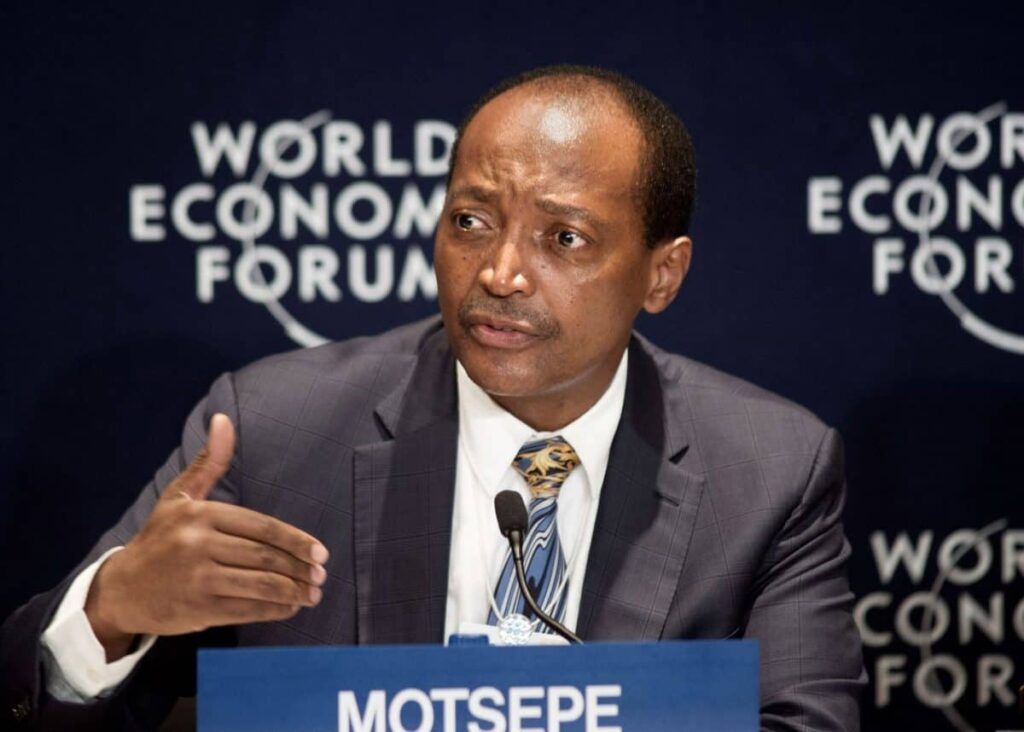
A tournament that pays two-thirds of African football’s competition bills isn’t moving to every four years after all. CAF has reversed its December decision and will keep the Africa Cup of Nations on a two‑year cycle. It’s a headline U‑turn — and it matters: AFCON 2025’s projected $192m in revenue (66% of CAF’s competition income) and a forecast profit of $114m underlined how central the finals are to the game on the continent, far beyond a trophy lift.
The peg is the reversal. The substance is what a biennial AFCON actually means: the months it can be played, how often hosts turn over, who gets to decide, and why an African Nations League can’t yet replace it. CAF president Patrice Motsepe framed the decision as one to “advance, protect and promote” the interests of African football and its 54 member associations — and those words are the guide to reading the calendar, the money and the politics that sit behind the dates.
What changed this week — and why it matters
CAF announced in December that AFCON would be staged every four years from 2028. That move, unveiled on the eve of Morocco 2025 with Fifa general secretary Mattias Grafstrom sitting alongside Motsepe, was pitched as a way to make the global calendar “significantly more synchronised and harmonised”. Ten months on, after a strategy conference in Cape Verde signalled a rethink, the executive committee has voted to restore the traditional biennial schedule following a consultation with all 54 associations about their preference.
Motsepe says reinstating the two‑year AFCON aims to “advance, protect and promote” African football’s interests. The U‑turn also reflects financial reality. AFCON is CAF’s biggest revenue generator; Morocco 2025 was projected to bring in $192m, accounting for 66% of CAF’s competition revenue, with a profit forecast of $114m (up from $75m in Ivory Coast). FA voices echoed that logic. “The two‑year cycle has served the continent very well,” said Zambian FA official Sydney Mungala, who called the four‑year idea “a bit of a surprise, maybe a concern, to the bulk of the African federations.”
The calendar, not the slogan: when AFCON can actually be played
A two‑year AFCON doesn’t fix the calendar on its own — it fixes the frequency. When it falls in the season still depends on weather and global events. Algeria’s 2019 title came in a June–July tournament; the 2021 and 2023 editions moved to January–February because of conditions in the hosts. In 2025, Fifa’s expanded 32‑team Club World Cup in June–July forced CAF into mid‑season dates again, with the finals pushed back to start in December.
The next AFCON is set: 19 June to 17 July 2027 in East Africa, co‑hosted by Kenya, Tanzania and Uganda. CAF has also kept in place a one‑year gap to the following edition in 2028 — a decision taken when mapping the now‑scrapped four‑year switch and retained in the U‑turn. Then come 2031 and 2033, with no AFCON in 2030 because of the World Cup. The cadence is clear again; the exact months will continue to flex around climate and the global competitions that dwarf every confederation’s diary.
| Year | Status / host | Dates / note |
|---|---|---|
| 2027 | Kenya, Tanzania & Uganda | 19 June – 17 July 2027 |
| 2028 | — | CAF has retained the decision to stage an edition in 2028; host and dates to be announced |
| 2029 | Africa Nations League (proposed) | Kick-off proposed for September 2029 |
| 2030 | No AFCON | No tournament because of the World Cup |
| 2031 | AFCON | Edition planned (months not announced) |
| 2033 | AFCON | Edition planned (months not announced) |
Hosting rotation under the reinstated cycle
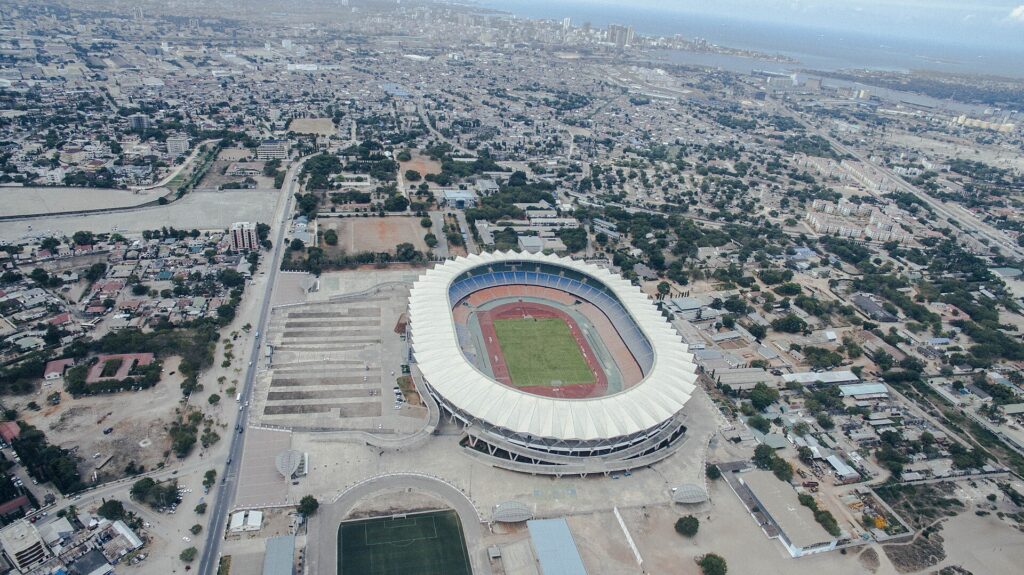
East Africa carries the immediate load. Kenya, Tanzania and Uganda are slated to co‑host AFCON 2027, with Motsepe urging a “heightened sense of urgency” during a September visit to ensure stadiums and infrastructure are ready in time. Kenya’s new 60,000‑seater Talanta Stadium is set to be inaugurated in January with an Ajax–Bayern Munich friendly, a symbolic marker for a region taking on the continent’s flagship event.
After 2027 comes 2028 — unusually quick, but a holdover from planning the four‑year switch. CAF has stuck with it. Where and when in 2028 remains to be announced, and the same is true of hosts for 2031 and 2033. One thing is fixed: there will be no AFCON in 2030. The two‑year cadence resumes either side of the World Cup, without a continental finals that year.
Who decides — and what the U‑turn says about CAF power
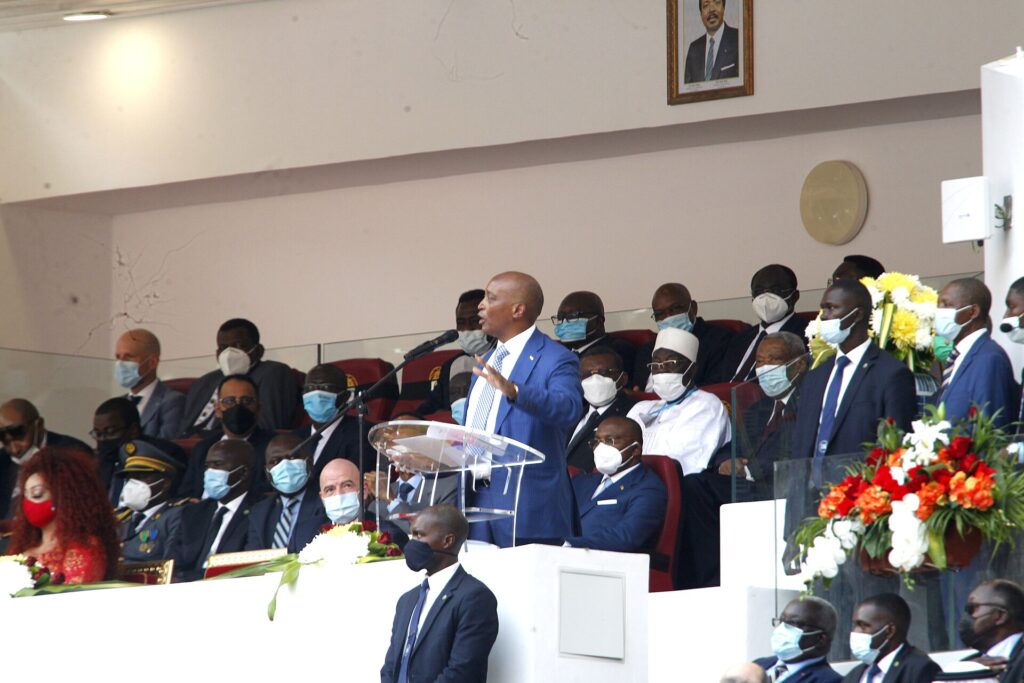
The December move to a four‑year AFCON was taken by the CAF executive committee and “without being tabled at a general assembly where all member nations are represented,” as Algerian journalist Maher Mezahi noted. “These kinds of decisions should be put to the general assembly, they should be debated and discussed for months at a time,” he told the BBC. The optics raised a core governance question: how should changes to the competition that funds the whole system be decided?
This month’s back‑track also ran through the executive committee — but only after CAF asked all 54 associations to state a preference and then voted to restore the status quo. The politics are global as well as continental. Mezahi argued that Fifa president Gianni Infantino sought support at CAF’s Cape Verde strategy meeting “in a quid pro quo” — Africa shored up his base; the return to a two‑year AFCON was the concession. Whatever the balance of influence, the upshot is clear: Africa “is willing to assert its influence and look after its interests, even in the face of the global game’s interest.”
Why the money points to two years, not four
AFCON is CAF’s financial lifeline — and for many national FAs, it underwrites day‑to‑day football. Morocco 2025’s projected $192m represented 66% of CAF’s competitions revenue, and AFCON’s forecast profit jumped to $114m from $75m in Ivory Coast. “We have 11 [Zambian] national teams and only two are partly sponsored by government,” said Sydney Mungala. “The rest have to be supported from the FA’s coffers. We actually fund some of these programmes from the support that we get from Caf and Fifa.” Cut AFCON in half and you halve a dependable cashflow.
CAF’s December idea was to replace the missing AFCON editions with an Africa Nations League, initially billed as an annual, “world‑class competition every year” involving all 54 countries. But the cautionary tale is recent. The Africa Super League — launched in 2022 with projected annual revenues of $200m and intended to transform club competition — was discontinued after just one edition when commercial deals fell short. “We didn’t proceed as quickly because the partners that were giving us money were not giving us the deals we thought we would be happy with,” Motsepe acknowledged. A new Nations League would “require several years” before it could make the “substantial” contributions needed to be self‑supporting — time CAF doesn’t have if AFCON is moved off the biennial pillar.
The detail
Where would a Nations League actually fit?
CAF has floated September 2029 for the Africa Nations League kick-off and, in Motsepe’s latest framing, the new competition would be every two years rather than annually. That instantly poses the scheduling riddle the BBC flags: how do you place a Nations League in an AFCON year from 2031 onwards? The confederation has already committed to AFCONs in 2031 and 2033 (with no tournament in 2030), and its flagship event’s months have shifted before — June–July in 2019, January–February in 2021 and 2023, and a December start in 2025 because of the 32‑team Club World Cup in June–July that year. Any Nations League would have to live around those moving parts. The hard constraints are that AFCON remains biennial and the World Cup sits in 2030. Until CAF publishes a Nations League match model that maps onto that grid, the league is a plan on paper: promising in theory, but with its fixtures searching for oxygen in an already congested cycle.
What the four‑year plan was meant to change
Motsepe sold the December switch as a way to make the “global calendar be significantly more synchronised and harmonised.” It spoke directly to the familiar friction when AFCON lands mid‑European season — a pattern amplified in recent years. Critics pointed out, however, that the harmonisation argument served the global game more than Africa. The BBC reports that Grafstrom was on stage for the announcement and that the proposal echoed a 2020 call by Infantino. The general sentiment in African federations, Mungala said, was that two years “has served the continent very well.”
The four‑year map also depended on the Africa Nations League shouldering both footballing and commercial load. That was always a risk. CAF’s most recent attempt at a big‑bang commercial competition — the Africa Super League — was abandoned after one edition when revenues did not materialise. Motsepe has since admitted that commercial partners “were not giving us the deals we thought we would be happy with.” In short: the four‑year plan asked Africa to trade a proven asset for an unproven one.
The 2025 aftertaste: titles, timing and trust
The U‑turn lands in the shadow of Morocco 2025’s turmoil. The dramatic final initially crowned Senegal, only for the result to be overturned in favour of Morocco. The Court of Arbitration for Sport will determine the ultimate destination of the title. In parallel, the 2025 scheduling story underscores why CAF needed calendar control back: the mid‑season staging was driven by the 32‑team Fifa Club World Cup in June and July that year.
AFCON’s recent date churn is the backdrop to those disputes. Algeria lifted the 2019 trophy at the end of the European season; weather pushed the 2021 and 2023 editions into January–February; 2025 starts in December. Add a proposed Nations League in 2029 and the return to the two‑year cadence from 2027, and CAF’s decision reads as an attempt to secure the one piece it can control: frequency. Everything else — the months, the host readiness, the global clashes — remains contingent.
What comes next between 2027 and 2028
First, delivery. East Africa’s organisers have less than a year to meet Motsepe’s call for a “heightened sense of urgency” on stadiums and infrastructure before 19 June 2027. Kenya’s Talanta Stadium’s January inauguration friendly between Ajax and Bayern Munich is a milestone, but CAF’s timeline is unforgiving.
Second, clarity. CAF has yet to announce the 2028 host and dates. It must also publish the Nations League’s definitive format and cadence — the BBC notes Motsepe’s latest statement suggests it would be every two years, with a proposed kick-off in September 2029 — and explain how that will avoid AFCON years from 2031 onward. The U‑turn protects Africa’s biggest sporting showcase; the test now is turning the calendar, the money and the governance lessons into a stable, transparent plan.
Sources: Afcon to return to two-year cycle after Caf U-turn (feeds.bbci.co.uk); Why has Caf abandoned plans to hold Afcon every four years? (feeds.bbci.co.uk)
Images: Cover: CGZ G3N3 / Wikimedia Commons (CC BY-SA 4.0); Figure 1: Happiraphael / Wikimedia Commons (CC BY-SA 4.0); Figure 2: Mxcarter / Wikimedia Commons (CC BY-SA 4.0)
How this article was made: Football Africa uses AI tools to structure, format and optimise its articles, and occasionally to produce illustrated covers where no free photograph exists. The reporting these articles are based on is human-produced and cited above. Spotted an error? Write to [email protected] and we will correct it. — The editors How we work.