Nerves of a captain at 89: Oduntan’s penalty lifts Flamingos into a Brazil semi
7 min read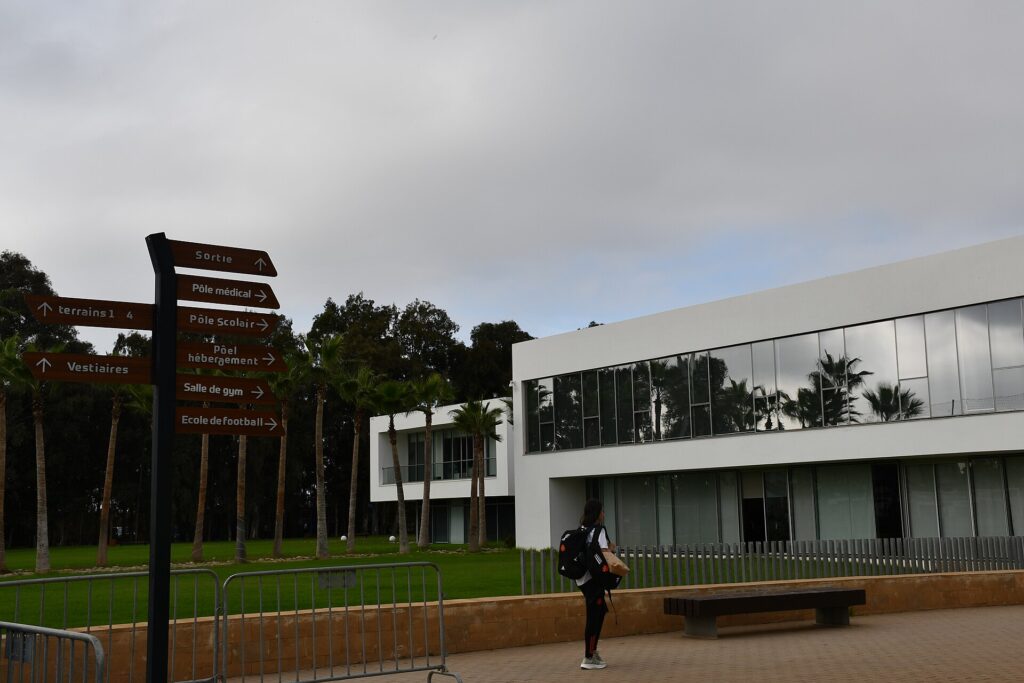
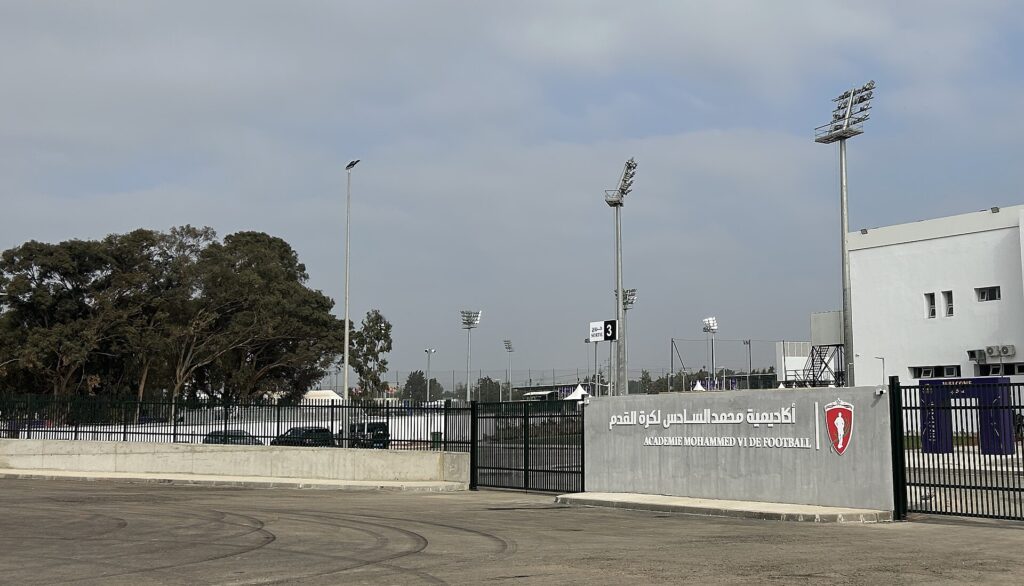
In the 89th minute in Salé, with a semi-final slipping towards a shootout, captain Azeezat Oduntan walked to the spot and did what big players do. Her penalty, awarded after Oluebube Umejiaku was fouled and upheld on VAR review, gave Nigeria’s Flamingos a 1-0 win over Venezuela and a last-four date with Brazil at the FIFA U‑17 Women’s World Cup.
It was a tense, dominant performance that needed late composure at the Mohammed VI Football Academy. Venezuela, who had arrived high on belief after eliminating reigning European champions Germany, defended deep and well, but could not resist the late twist that keeps Nigeria’s quest for a first U‑17 world crown very much alive.
The moment that decided it — and why it stood
For long stretches it felt like the quarter-final might be decided from 12 yards by a shootout rather than a single kick. Then came the decisive incident: Venezuela defender Migleydys Bolsegui was adjudged to have fouled Umejiaku inside the area. After a VAR check confirmed the decision, Oduntan stepped up and converted, coolly and cleanly, in the 89th minute.
Venezuela pushed hard in added time, but Coach Bankole Olowookere’s girls — as they have done all tournament — held firm. The 1‑0 stands as a fair margin for a match Nigeria largely controlled in territory and chances, even if it took composure at the end to cash in that dominance.
Nkwocha’s grip in midfield and the numbers behind control
Favour Nkwocha was named Player of the Match, a nod to a composed, intelligent display from the base of midfield. Remarkably, she set the tone despite an early yellow card in the 24th minute, managing the risk while continuing to anchor Nigeria’s passing and second-ball recoveries.
The metrics underlined the Flamingos’ edge: they produced 19 shot attempts to Venezuela’s six, even as possession finished level at 50 percent each. That shot volume came against a well-organised back line led by Venezuela captain Valeria Rebanales, whose side blocked and scrambled enough to keep the game in the balance until Oduntan’s late penalty finally cracked it.
A resilient road: from early setback to four straight wins
Nigeria’s campaign has been a steady climb. They opened with a 2-1 defeat to Poland, then beat Puerto Rico 2-0 and defending champions North Korea 3-1 to surge out of the group. A 2-1 win over Mexico in the Round of 16 underlined a hardening edge in knockout football.
The Venezuela win makes it four in a row since that opening stumble, and it fits the pattern: better control of games, more shots generated, and a growing capacity to make the key moment count under pressure. This is only the second time the Flamingos have reached the semi-finals — they finished third in 2022 — and this run has been built on resilience as much as fluency.
| Stage | Opponent / Scoreline |
|---|---|
| Group | Poland 2-1 Nigeria |
| Group | Nigeria 2-0 Puerto Rico |
| Group | Nigeria 3-1 North Korea |
| Round of 16 | Nigeria 2-1 Mexico |
| Quarter-final | Nigeria 1-0 Venezuela |
Africa’s flag with Nigeria alone — and CAF takes notice
With Ghana falling 1-0 to Japan in the other quarter-final, Nigeria are now the continent’s lone standard-bearer in Morocco. The Confederation of African Football celebrated the Flamingos’ progress with a message on its Women’s Football X account: “The Flamingos are flying into the semis! 🦩🇳🇬 Nigeria edge Venezuela to reach the #U17WWC semi-finals! #AfricanFootball.”
There’s symbolism here as well as sporting consequence. Nigeria, long a pillar of the women’s game in Africa, carry the last African ticket into the semi-finals and a shot at another podium — or more. It is a reminder of the depth of Nigeria’s youth pipeline, and of the margins that separate campaigns at this level: Ghana were a single goal short; Nigeria found one at 89.
Brazil await in Rabat — a comeback side with punch
The semi-final is set for Wednesday, 4 November, at the Moulay El Hassan Stadium in Rabat. Brazil made it through by coming from behind to beat China 2-1, with Helena Sampaio striking twice in the 47th and 87th minutes — a side that can finish late as well as rally.
For Nigeria, the stakes are clear: a place in the final and a chance to go beyond the bronze achieved in 2022. The Flamingos’ recent form — four consecutive wins, a growing assertiveness in knockout moments, and a captain converting under peak pressure — gives them a platform, even as Brazil’s own late-game threat sets the frame for another fine-margin contest.
The detail
Semis, history and the mechanics of a youth surge
This is only Nigeria’s second U‑17 Women’s World Cup semi-final, the first ending in bronze at the 2022 edition in India. The 2026 run has been structurally different: after an opening 2-1 loss to Poland, the Flamingos have stitched together four straight wins — Puerto Rico (2-0), defending champions North Korea (3-1), Mexico (2-1) and Venezuela (1-0) — and crucially, learned to close games. That arc matters in youth tournaments, where momentum and the management of nerves can dwarf reputations. It also hints at an internal competitive rhythm: tighter late-game execution (Oduntan’s 89th-minute penalty here) layered on top of control (19 shots to six versus Venezuela) and anchored by key individuals like Nkwocha sustaining tempo despite an early caution.
Calendar and venues shape campaigns too. Sunday’s quarter-final was at the Mohammed VI Football Academy in Salé; Wednesday’s semi moves to the Moulay El Hassan Stadium in Rabat. Turnarounds are short at U‑17 level, making squad freshness and decision-making under fatigue decisive. Video review (VAR) has also been central, as seen in the upheld penalty call won by top scorer Oluebube Umejiaku — a reminder that timing and discipline in the box are as much part of tournament craft as pressing and passing.
From the vanquished: Frías reflects on Venezuela’s narrow miss
Venezuela head coach Dayana Frías framed the result as a story of one decisive error. “It was a good performance overall, but I think we made one mistake and paid for it,” she told FIFA after the game, adding that the experience had been “really beautiful and rewarding” for her young squad.
Frías also looked ahead, noting Venezuela’s growth in Morocco and the fact that seven players remain eligible for the next cycle. Their quarter-final exit was narrow and stubbornly contested; against Nigeria’s intensity and chance creation, La Vinotinto’s defence held out for 88 minutes before the late, reviewed call broke their resistance.
What this win says about Nigeria’s campaign — and what’s next
A quarter-final decided by leadership from the spot is also a marker of a team maturing through the tournament. Oduntan’s nerve, Umejiaku’s penalty-winning run, and Nkwocha’s sustained control despite a booking all speak to habits that separate knockout winners from nearly-men — and Nigeria now sit two results from a first world title at this level.
Brazil in Rabat is an escalation and an opportunity. The Flamingos have shown they can impose a game, whether they dominate the ball or share it evenly, and still manufacture the better looks at goal. With Africa’s hopes on their shoulders after Ghana’s exit, Nigeria carry form, belief and a proven late-game edge into Wednesday’s semi-final in Rabat.
The match in brief — a tight, tactical quarter-final edged late
Both sides arrived off eye-catching Round of 16 upsets. Venezuela had eliminated Germany, the reigning European champions, while Nigeria had knocked out Mexico 2-1. The quarter-final itself was evenly divided on the ball but not in incision: Nigeria built 19 efforts on goal to Venezuela’s six and asked more of the defenders in claret.
Rebanales’ back line handled waves for most of the night, but once Umejiaku was tripped and VAR affirmed the call, the Flamingos had their golden chance. Oduntan, the captain, took it. In stoppage time Nigeria’s shape held, the minutes ticked down, and Africa’s last contenders booked a place in Rabat to meet Brazil.
Sources: FIFA U-17 WWC: Dominant Flamingos Defeat Venezuela 1-0, Set Up Semifinal Clash With Brazil (www.completesports.com); 2026 FIFA U-17 WWC: CAF Salutes Flamingos On Semifinal Qualification (www.completesports.com); 2026 U-17 WWC: Venezuela Coach Reacts To Defeat Against Flamingos (www.completesports.com); 2026 U-17 WWC: Nkwocha Wins Player Of The match In Flamingos’ Win Against Venezuela (www.completesports.com)
Images: Cover: Wikimedia Morocco / Wikimedia Commons (CC BY-SA 4.0); Figure 1: Anass Sedrati / Wikimedia Commons (CC BY-SA 4.0)
How this article was made: Football Africa uses AI tools to structure, format and optimise its articles, and occasionally to produce illustrated covers where no free photograph exists. The reporting these articles are based on is human-produced and cited above. Spotted an error? Write to [email protected] and we will correct it. — The editors How we work.