Nigeria’s N17bn question: what the anti-graft probe means for football on and off the pitch
6 min read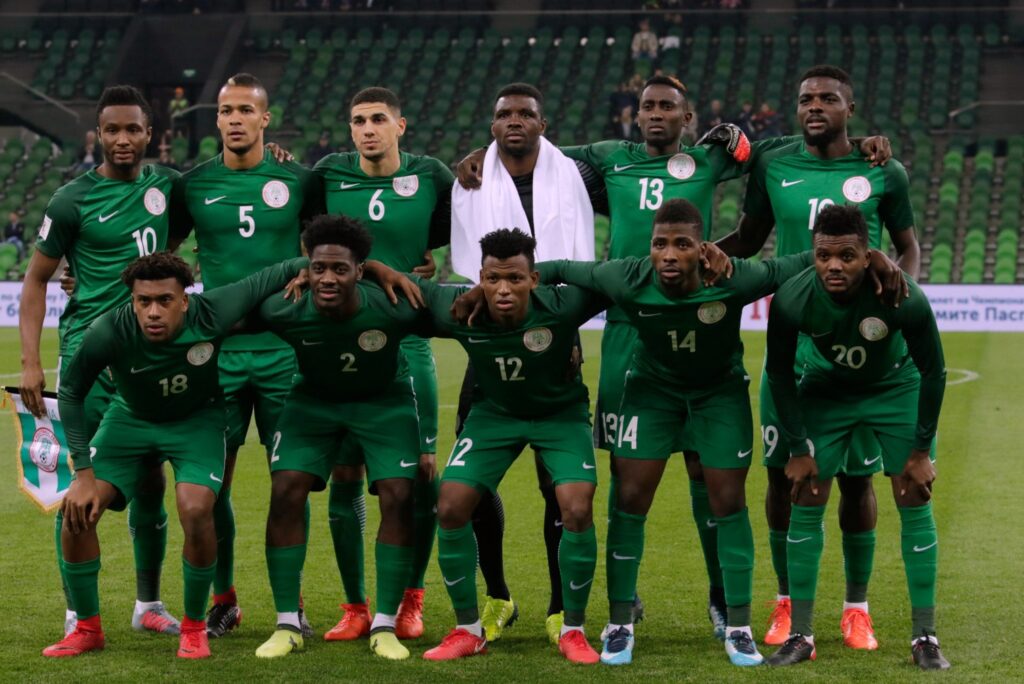
In a significant development for Nigerian football, national team players and officials have stepped forward to offer themselves for questioning by the Economic and Financial Crimes Commission (EFCC) and the Independent Corrupt Practices Commission (ICPC). This move comes as both agencies expand their investigation into the Nigeria Football Federation (NFF) regarding a bailout fund intended to settle outstanding bonuses and allowances for the Super Eagles, Super Falcons, and Flying Eagles.
The news peg: players and officials invite questioning as probe expands
SCORENigeria reports that the investigation centers around a bailout originally set at 12 billion Naira, which was later increased to 17 billion Naira to account for fluctuations in foreign exchange rates. Affected players and officials have expressed their frustration, stating that they have not received any payments for over a year and a half since the Federal Government announced the bailout.
One team official remarked, “We have not been paid by the NFF more than a year and a half since the FG announced this bailout fund,” highlighting the prolonged nature of the issue.
What exactly is being investigated — and why the figure rose to N17bn
The investigation seeks to clarify the discrepancies surrounding the bailout funds. According to reports, there are allegations that the NFF has “retired the funds,” yet players maintain they have not received their due payments. This situation raises critical questions about the management of the bailout and the accountability of the NFF.
Stakeholders and fault lines: who says what so far
SCORENigeria’s reporting highlights three main strands of testimony from stakeholders. First, players and officials are willing to participate in interviews to provide clarity. Second, officials allege that despite the bailout, payments due to national teams remain unpaid. Third, a reliable source indicated that a senior NFF official has threatened to disclose information about top government officials who allegedly benefited from the payouts.
These overlapping testimonies create a pressing accountability challenge: can the investigation trace the increased bailout figure to verifiable disbursements to the national teams?
Why unpaid bonuses and allowances matter to football operations
The implications of unpaid bonuses and allowances extend beyond financial concerns; they can significantly impact squad morale, the credibility of player call-ups, and the planning of training camps and travel. When trust in promised payments erodes, players and staff may become less willing to endure further delays.
In the short term, unresolved payments can lead to administrative bottlenecks. In the medium term, they can jeopardize relationships with partners who require clarity on cash flows surrounding match windows.
The timeline question: more than a year and a half without closure
The timeline of “more than a year and a half” since the bailout announcement is critical. Long delays complicate reconciliation efforts, as personnel changes occur, supporting documents become scattered, and memories fade. Therefore, the willingness of players and officials to provide direct corroboration is essential for establishing an authentic audit trail.
With the bailout amount increased from 12 to 17 billion Naira due to foreign exchange differences, understanding the timing and sequence of approvals and releases is vital.
What this could mean for the Super Eagles, Super Falcons and Flying Eagles
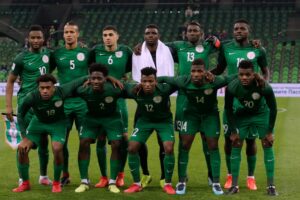
The national teams are at the heart of this issue, as the bailout was specifically allocated for their bonuses and allowances. Until this matter is resolved, logistical challenges—ranging from assembling backroom staff to setting per diems—will persist. Even as training and matchday commitments continue, the relationship between players and administrators may suffer if compensation issues remain unresolved.
This sentiment represents a significant cost, as it threatens to undermine the implicit contract that supports international duty—pride in representing the nation, coupled with a fair and timely settlement for services rendered.
The detail
FX top-up and the mechanics of a moving target
SCORENigeria reports that the bailout grew from 12 to 17 billion Naira “to make up for differences in the foreign exchange rates.” That framing captures a basic budgeting problem: when exchange rates move between a promise and a payment, the naira amount needed to achieve the same purchasing power can change. In practice, this can swell the nominal figure without altering the underlying obligation — the same allowances and bonuses cost more in naira terms purely because the currency moved. Why does this matter to the investigation? Because any reconciliation must track decisions against the exchange-rate context at the time. If an approval memo assumed one rate but disbursement happened at another, the ledgers will show a bigger number without any new beneficiaries. Conversely, if FX volatility is cited but the timing of releases and the documentation don’t line up, investigators will probe whether “FX differences” were a necessary adjustment or an after-the-fact justification. That is why sequencing — who requested what, when, and on which rate assumptions — becomes a core evidentiary trail.
Governance stress and the domestic game: the plausible spillovers
While SCORENigeria’s focus is on national teams, the governance challenges faced by the NFF also affect the domestic game. The ongoing investigation may not directly dictate league schedules or club finances, but any prolonged uncertainty at the top can have ripple effects, impacting reimbursements for shared services and the pace of administrative approvals. These are potential risk factors that could escalate the longer the investigation remains unresolved.
The readiness of beneficiaries to be interviewed, as reported by SCORENigeria, serves as a practical starting point for achieving clarity.
Key open questions the investigation now has to answer
Key questions remain unanswered: Who was paid, how much, and on what date? How do these payments align with the list of beneficiaries intended to receive the bailout? Did the increase from 12 to 17 billion Naira solely reflect exchange rate fluctuations, and can this be substantiated by the timing of requests and releases? Furthermore, what does the phrase “retired the funds” mean in this context, and what documentation exists to support or refute that claim?
SCORENigeria’s reporting also hints at broader implications, with a source indicating that a senior NFF official has threatened to reveal information about government officials who allegedly benefited from the payouts. If this leads to further inquiries, the investigation could expand significantly. Conversely, even if this line of inquiry does not yield results, verifying payments to players and officials would still mark a meaningful step toward rebuilding trust.
What comes next
Currently, the EFCC and ICPC are actively pursuing this investigation, and those owed are prepared to assist. The challenge lies in whether a thorough investigation can reconcile the larger bailout figure with a clear record of settled bonuses and allowances for the Super Eagles, Super Falcons, and Flying Eagles.
Until this reconciliation occurs, the central complaint remains: “We want our money because we earned it.” A transparent account of what was approved, disbursed, and received is essential for moving Nigerian football beyond this impasse and returning focus to the game itself.
Sources: National team players, officials beg EFCC, ICPC to quiz them over bonuses, allowances (www.scorenigeria.com.ng)
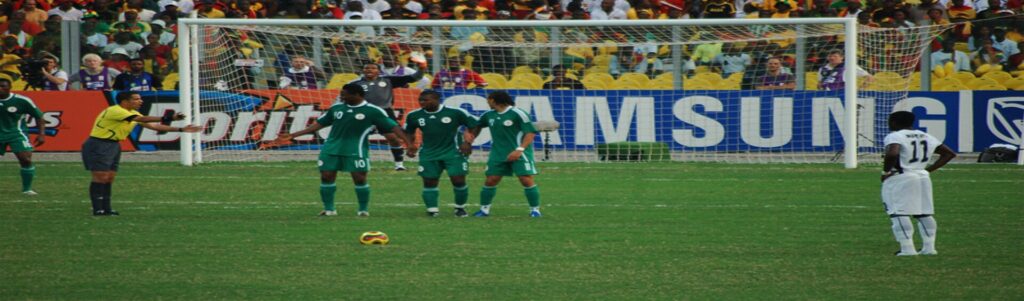
Images: Cover: Дмитрий Пукалик / Wikimedia Commons (CC BY-SA 3.0); Figure 1: Blaise Raise / Wikimedia Commons (CC BY-SA 3.0)
How this article was made: Football Africa uses AI tools to structure, format and optimise its articles, and occasionally to produce illustrated covers where no free photograph exists. The reporting these articles are based on is human-produced and cited above. Spotted an error? Write to [email protected] and we will correct it. — The editors How we work.