Twelve from twelve: Mokwena’s Pyramids edge clear on tight margins
6 min read
Four league games, twelve points, and a two‑point cushion at the top: Rulani Mokwena’s Pyramids FC have opened their domestic campaign with a perfect return and the small but significant edge title races feed on. The latest step was a 1-0 win over El Gouna, a result shaped by fine margins — a 56th‑minute own goal from Khaled Ahmed, a missed penalty by Nasser Maher after 72 minutes, and a Mostafa Ziko strike ruled out by VAR in the 90th minute.
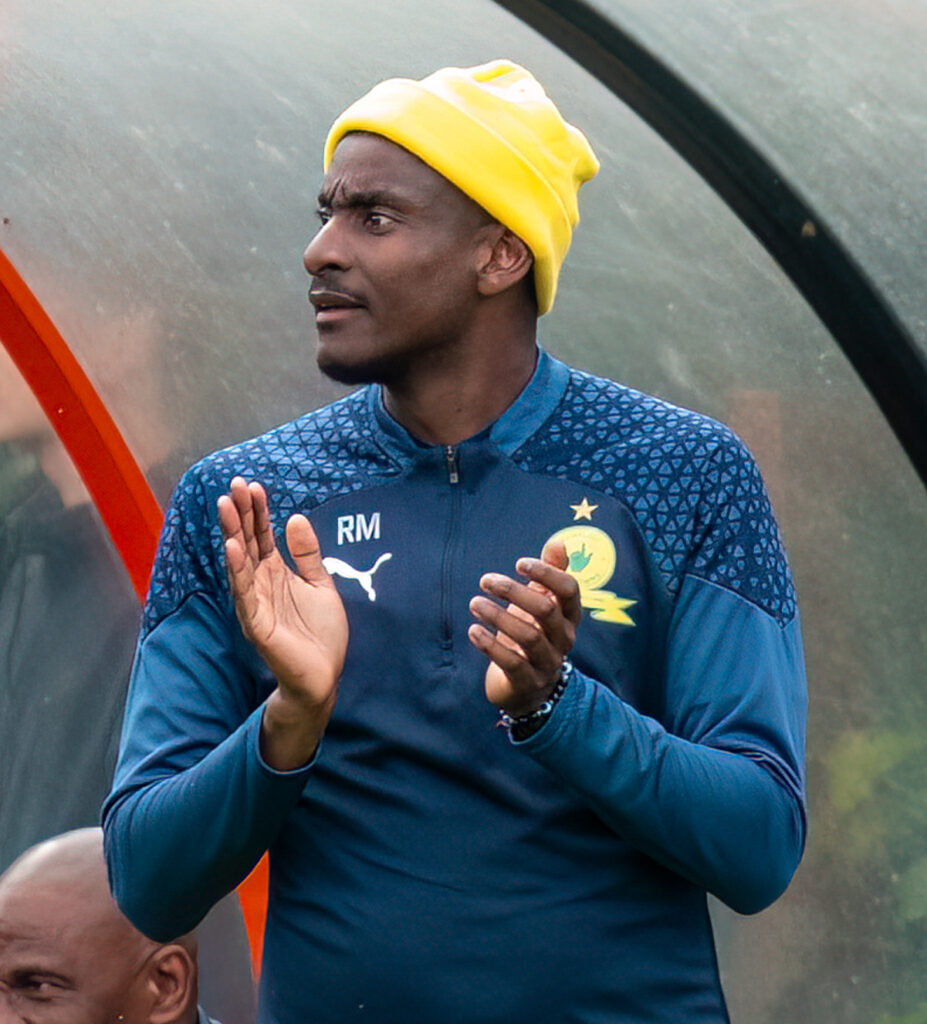
It is the sort of profile that reads unflashy but decisive. Mokwena joined the Egyptian giants in the off‑season and, as the reigning 2024/25 CAF Champions League winners, Pyramids were expected to set the domestic pace; this start meets that brief. The win also saw them reclaim the top of the log with 12 points from four games, now two clear of Zamalek.
Perfect start, measured in points and pressure
The headline number is simple: 12 from 12. In a league where early leads harden into pressure on the chasers, that two‑point edge over Zamalek after only four games matters. It creates a scoreboard reality that forces others to respond immediately — and, crucially for Pyramids, it affords them margin for a draw that does not automatically relinquish first place.
Just as important is how they have reached those numbers. Wednesday’s win came with a clean sheet and without the comfort of a second goal; it was not a rout, and the decisive moment officially went down as an own goal. That the league leaders could still see out the game, even after a missed penalty and a VAR intervention against them in minute 90, says as much about nerve as it does about points.
Key moments, narrow margins: how 1-0 was made (and nearly unmade)
The match against El Gouna hinged on three timestamps. First, the 56th minute, when Khaled Ahmed’s own goal broke the deadlock. Then the 72nd, when Nasser Maher had the chance to extend the lead from the spot but missed, keeping the contest within one kick.
Finally, the 90th minute brought the kind of swing modern leagues live with: Mostafa Ziko thought he had added a second, only for VAR to rule it out. In isolation, each event is a footnote; together, they underline why Pyramids’ perfection has felt exacting rather than expansive. Winning remains the currency, but these seconds show how small the spread can be between three points and a far messier night.
Clean sheets and control, without the noise
There was a clean sheet attached to the El Gouna result — an outcome that guaranteed the own goal stood as the winner. That detail matters in a different way to the headline totals: it hints at in‑game stability when the margin is a single goal and when a missed penalty could have amplified regret.
Pyramids did not need an attacking flourish to preserve their lead once they had it. The numbers available do not describe the flow or territorial control, but they do show a side that protected a precarious advantage through the final whistle — including through VAR’s late correction. That steadiness is a useful trait for a team carrying champions’ expectations into weekly league duty.
| Metric | Figure / Detail |
|---|---|
| League games under Mokwena | 4 |
| Points on board | 12 |
| Cushion at top | 2 points ahead of Zamalek |
| Latest result | 1-0 vs El Gouna |
| Winning moment | Khaled Ahmed own goal, 56' |
| Penalty event | Nasser Maher missed penalty, 72' |
| VAR decision | Mostafa Ziko goal ruled out, 90' |
| Clean sheet | Yes (vs El Gouna) |
From Africa’s champions to the league pace
Pyramids carried the aura of the 2024/25 CAF Champions League winners into this league season, and a 100% domestic start reinforces that status in weekly increments. The Champions League tag sets the tone around them: opponents calibrate to contain, neutral supporters measure them against the standard of champions, and their own dressing room carries the burden of expectation.
That burden is best answered with accumulation — of points, of clean sheets, of moments that go their way. The El Gouna win fits that pattern. The narrative may be light on flamboyant scorelines so far, but the economy of a single‑goal victory sits comfortably with a side asked to deliver results far more than spectacle.
The detail
Two points that shape the conversation
Early leads in title races do not decide anything; they decide what gets talked about. Being two points clear of Zamalek after four games means Pyramids set the weekly question others must answer: win to keep pace, or watch the gap persist. That is a subtle but real advantage. One win from Pyramids keeps the table unchanged even if Zamalek also win; only when Pyramids fail to claim maximum points does the possibility of a swing open up. That dynamic is why “reclaiming the top of the log” is more than a line — it restores a psychological frame in which Pyramids control the pace.
Because the margins in their latest game were so fine — an own goal, a missed penalty, a VAR‑ruled strike — the lesson is also about volatility. Small events can re‑order a match, and small gaps can re‑order a table. Pyramids’ job, framed by those numbers, is to keep stacking the threes while insulating themselves against one‑offs. The two‑point lead is not security; it is leverage. It makes each routine win carry more weight and each slip potentially more expensive.
The discipline behind the digits
The figures do not tell us about shape, pressing or passing lanes, but they do point to decision‑moments handled under pressure. Penalties always feel telegraphed: a clear chance to settle nerves. Nasser Maher’s miss at 72 minutes could have shifted mood and momentum; instead, the clean sheet preserved the outcome. Those are controllables that count.
Equally, living with VAR means living with late uncertainty. When Mostafa Ziko’s would‑be second was ruled out in the 90th minute, the difference between comfort and jeopardy remained a single goal through stoppage time. Seeing that out — after the match’s three major officiating‑linked incidents — adds a layer of composure to the raw points tally.
Why these numbers, and what they don’t say
A by‑the‑numbers read can flatten football into totals and timestamps. Here, though, those timestamps are the story: 56, 72, 90. They map a game state that demanded control without the cushion of a second goal, and they explain why a 1-0 could feel both assured and fragile from minute to minute. The 12‑from‑12 line is clean; the path to it has not been.
What the data does not settle is style, superiority or sustainability — all of which will be written over more weeks and more fixtures. But it does settle the only column that drives a title race: points. On that count, Pyramids under Mokwena have been perfect, and they have done it while living on the right side of the sport’s hairline margins.
What comes next for the leaders
The job now is to turn a perfect start into a sustained run, keeping that two‑point edge as a permanent feature rather than a snapshot. Reclaiming top spot, as reported, suggests the lead has already toggled at least once; the challenge is to stop it toggling again.
There will be nights when the margins widen and others when they shrink further than they did against El Gouna. The significance of four from four is that Pyramids have banked early capital. If they keep translating small hinges — penalties, VAR calls, isolated defensive phases — into full hauls, the table will keep reflecting that discipline.
Sources: Mokwena Continues Perfect Start (idiskitimes.co.za)
Images: Cover: Football Africa (illustration); Figure 1: Carlo Bruil Fotografie / Wikimedia Commons (CC BY 2.0)
How this article was made: Football Africa uses AI tools to structure, format and optimise its articles, and occasionally to produce illustrated covers where no free photograph exists. The reporting these articles are based on is human-produced and cited above. Spotted an error? Write to [email protected] and we will correct it. — The editors How we work.