Who runs Nigerian football now? The NFF pause and the league handovers
7 min read
The chairmen and chief executives of Nigeria’s four domestic leagues have been told to hand over, and the NFF’s September elective congress in Lafia is off.
The measures came less than 24 hours after President Bola Tinubu ordered a comprehensive reform of Nigerian football. With interim officials named at the NFF and a clear directive to consult FIFA and CAF, the question for clubs, administrators and supporters is simple: who is running what, right now, and what will the reform process change?
What changed — and why it happened so fast
Premium Times reports that all processes toward the NFF’s elective congress scheduled for 27 September in Lafia, Nasarawa State, have been suspended. The federation says a fresh electoral process will begin only after “comprehensive reforms” proposed for Nigerian football are completed in consultation with FIFA, CAF, the government and other key figures.
Gusau, elected in September 2022 to succeed Amaju Pinnick, announced his resignation at a press conference in Abuja. The backdrop is clear: the Super Eagles failed to qualify for the 2026 FIFA World Cup, after missing 2022, and the Super Falcons then failed to qualify for the 2027 FIFA Women’s World Cup, ending Nigeria’s perfect participation record since 1991. The NFF had already set up a fact-finding committee on national team problems; the federation then implemented interim administrative steps that include suspending election processes and changing league oversight.
Who is in charge at the NFF today
The National Sports Commission (NSC) has endorsed Emmanuel Ikpeme, formerly the NFF’s Deputy General Secretary, to oversee the federation’s Secretariat as interim General Secretary. Ademola Olajire, the federation’s Director of Media and Communications, has been named interim Deputy General Secretary. Under these interim arrangements, the Secretariat — led by Ikpeme — is the operating hub of Nigerian football administration during the transition.
President Tinubu has directed the Chairman of the NSC to work with the NFF Secretariat and relevant football stakeholders to “ensure continuity in football administration and facilitate a broad, consultative reform process.” The Presidency also stressed that the process must involve engagement with FIFA and CAF while safeguarding “Nigeria’s obligations under the international football framework.” The NFF itself added that “further changes and directives will be communicated in due course.”
Leagues: boards out, COOs in — and under the Secretariat’s oversight
In a parallel decision, the NFF has directed the chairmen, appointed directors and chief executive officers of the Nigeria Premier Football League (NPFL), Nigeria National League (NNL), Nigeria Women Football League and Nationwide League One to hand over the administration of their leagues. That administration will temporarily be transferred to each league’s Chief Operating Officer (COO), provided the COO is a member of NFF staff.
Where an existing COO is not NFF staff, the acting General Secretary has been instructed to deploy a new COO from the federation. Premium Times notes that these measures “effectively place the administration of Nigeria’s four major domestic league competitions under the direct oversight of the NFF Secretariat during the transition.” The stated purpose: to “ensure continuity” while consultations on reforms are conducted.
| League | Interim administration and oversight |
|---|---|
| Nigeria Premier Football League (NPFL) | Chair/CEOs to hand over; administration temporarily by League COO (if NFF staff) or a COO deployed by the NFF; under NFF Secretariat oversight |
| Nigeria National League (NNL) | Chair/CEOs to hand over; administration temporarily by League COO (if NFF staff) or a COO deployed by the NFF; under NFF Secretariat oversight |
| Nigeria Women Football League | Chair/CEOs to hand over; administration temporarily by League COO (if NFF staff) or a COO deployed by the NFF; under NFF Secretariat oversight |
| Nationwide League One | Chair/CEOs to hand over; administration temporarily by League COO (if NFF staff) or a COO deployed by the NFF; under NFF Secretariat oversight |
What ‘elections suspended’ really means
The elective congress slated for 27 September in Lafia is no longer proceeding as planned. Practically, that means the federation will continue under interim administrative leadership for as long as the reform design and consultation phase lasts.
The federation has said the reforms will be comprehensive and consultative. Specifically, they are “expected to be undertaken in consultation with FIFA, the Confederation of African Football (CAF), the government and other key figures in Nigerian football.” The Presidency’s instruction that Nigeria’s obligations under international football structures must be safeguarded underscores that any electoral redesign, governance changes or league restructuring has to fit within FIFA/CAF parameters.
The President’s reform brief: governance, pathways, accountability
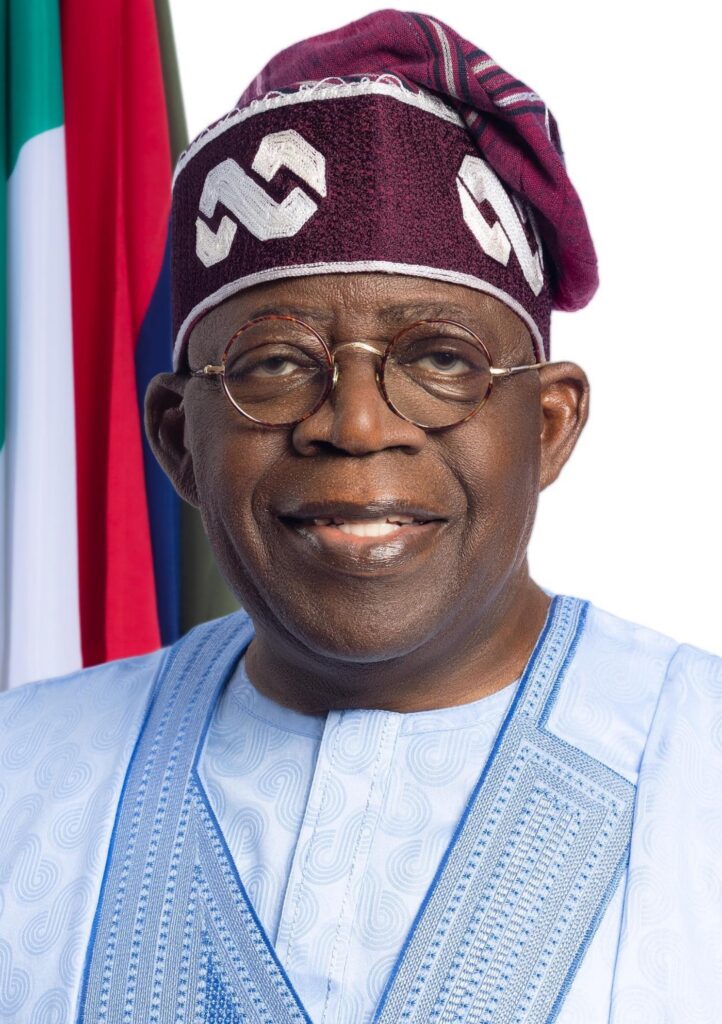
In his directive, President Bola Tinubu put meat on the bones of what reform must address: “governance, administration, stakeholder representation, development pathways, domestic competitions and accountability across Nigerian football.” He also ordered the NSC Chairman to work with the NFF Secretariat and stakeholders to keep football running while the reforms are hammered out. The instruction came via his Special Adviser on Information and Strategy, Bayo Onanuga.
“Football, Nigeria’s most popular sport and the greatest beneficiary of public support, investment and national attention, has continued to struggle basically due to structural deficits within the system,” the President said. The NFF’s own line is that continuity will be preserved under the interim framework while consultations take place — a recognition that competitions, clubs and national team activities cannot simply stop while governance is reworked.
For clubs and competitions: what changes now, what doesn’t
Day-to-day league administration is the primary focus of the interim measures. The NFF states that the point of this arrangement is continuity under Secretariat oversight during the transition.
What is not yet defined are the reform outcomes that could alter league governance in the medium term, or the detailed calendar for elections. The federation has signalled that “further changes and directives will be communicated in due course,” and the Presidency has called for a “broad, consultative reform process.” Until those directives arrive, the interim structure — Ikpeme’s Secretariat team and the COO-led league administrations — is the operative framework.
The detail
Inside the interim chain of command
The NFF’s handover instruction is specific: league administration moves to COOs “provided they are members of the NFF staff.” That clause matters. Where a COO is external to the federation, the acting General Secretary is empowered to deploy a new COO from NFF ranks. In practical terms, that creates a uniform reporting line from each league’s operational head straight into the Secretariat led by Emmanuel Ikpeme, with Ademola Olajire as interim deputy. Premium Times characterises this as placing the four leagues “under the direct oversight of the NFF Secretariat” during the transition. Two implications flow from that language. First, the federation has deliberately trimmed the layer of semi-autonomous league boards by sidelining chairs, appointed directors and CEOs, concentrating decision-making within the Secretariat. Second, by insisting that COOs be NFF staff (or be replaced by NFF staff), the acting General Secretary controls appointments to the key operational post in each league. This both limits fragmentation while reforms are drafted and ensures the NSC-mandated collaboration with the Secretariat has clear, accountable counterparts across NPFL, NNL, the Women’s League and Nationwide League One. The NFF’s caveat — that more directives are to come — leaves room to adjust this chain as consultations with FIFA, CAF, government and local stakeholders advance.
How we got here: results, pressure, resignations
The trigger sequence is laid out plainly. Nigeria’s senior men’s and women’s teams endured high-profile failures: the Super Eagles did not qualify for the 2026 World Cup, having also missed 2022; the Super Falcons then failed to qualify for the 2027 Women’s World Cup, ending an unbroken run since the competition began in 1991. Criticism intensified, and the NFF set up a fact-finding committee on the national teams’ problems.
Premium Times notes the NFF’s sweeping administrative measures followed “less than 24 hours” after President Tinubu’s reform directive — a sign that the leadership determined governance and league oversight required immediate, interim changes while consultations proceed.
What comes next: consultations, a roadmap, then elections
The NFF has committed to a fresh electoral process — after reforms are completed. Between now and then, the President’s directive has set the parameters: strengthen governance and accountability; improve stakeholder representation; address development pathways and domestic competitions; and do it in consultation with FIFA, CAF, government and Nigerian football stakeholders. The NSC Chairman is to work with the NFF Secretariat to “ensure continuity” as this unfolds.
For clubs, administrators and supporters, the key signals to watch are the NFF’s promised “further changes and directives.” Those will clarify the length of the interim period, any adjustments to league administration, and the structure and timing of the new electoral process. For now, the operating facts are straightforward: Ikpeme leads the Secretariat; Olajire serves as interim deputy; COOs — as NFF staff or deployed by the acting General Secretary — will run day-to-day league administration under the Secretariat’s direct oversight.
Sources: NFF suspends elections, sacks league boards amid football reforms (www.premiumtimesng.com)
Images: Cover: Obiosa Chukwuemeke / Wikimedia Commons (CC BY-SA 4.0); Figure 1: Musa Vacho77 / Wikimedia Commons (CC BY-SA 4.0); Figure 2: Nosa Asemota / Wikimedia Commons (CC BY-SA 4.0)
How this article was made: Football Africa uses AI tools to structure, format and optimise its articles, and occasionally to produce illustrated covers where no free photograph exists. The reporting these articles are based on is human-produced and cited above. Spotted an error? Write to [email protected] and we will correct it. — The editors How we work.