Back to three stripes, and a different balance sheet
7 min read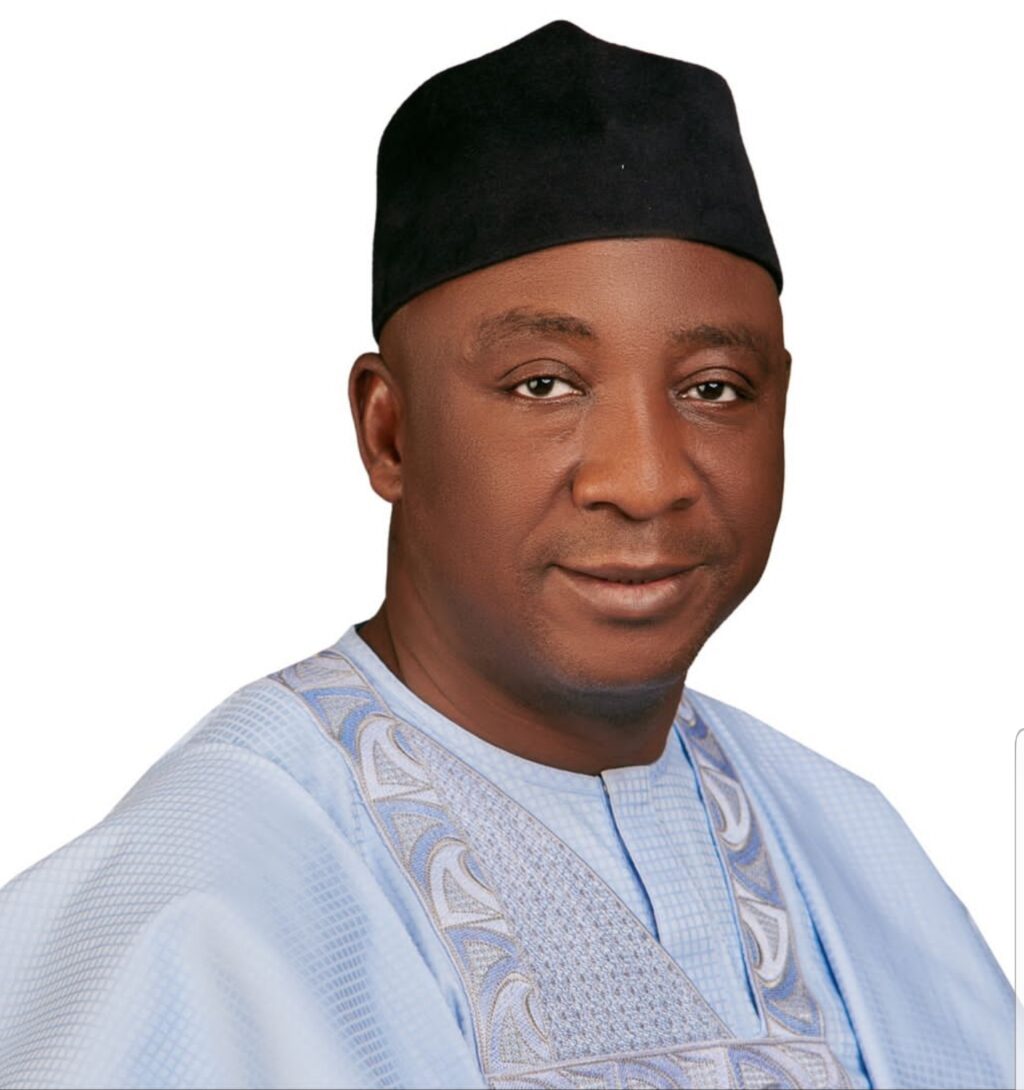
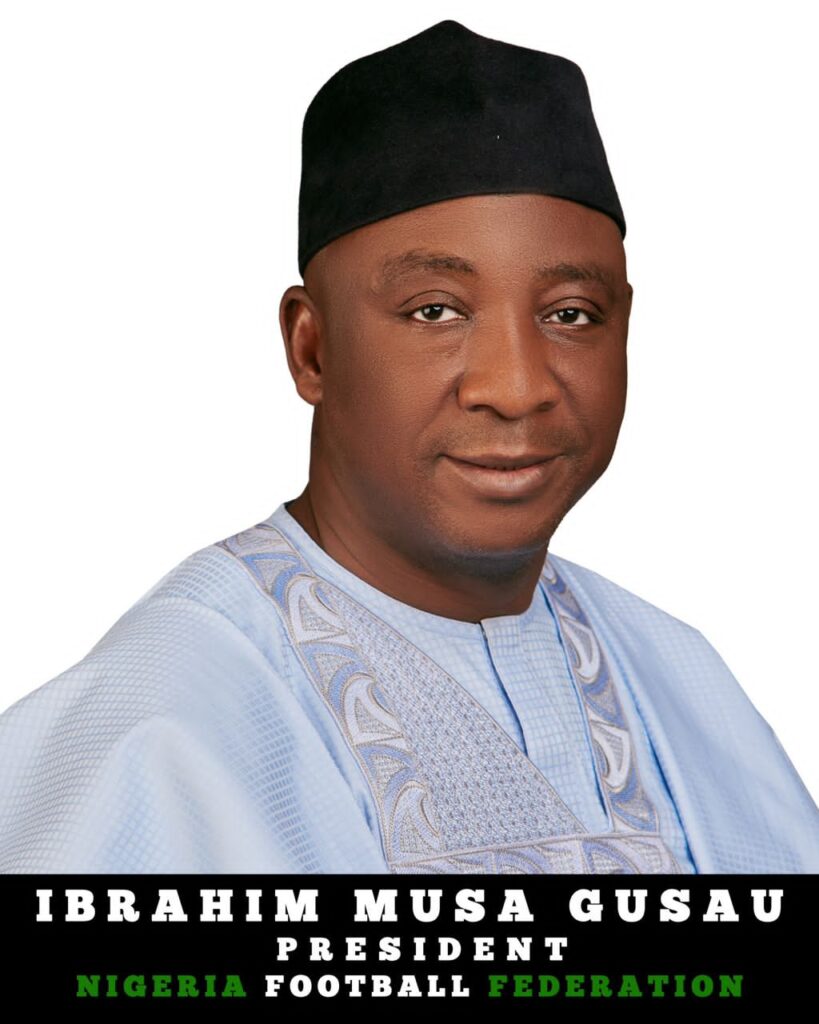
Four-point-five million dollars in cash each year, another four million dollars in kit, and a 20% cut of retail sales. That is the package Ibrahim Gusau says Nigeria have signed with adidas, “the highest kit sponsorship deal in African football,” and it begins next month for the Super Eagles and all other national teams, per ScoreNigeria. For a federation that, by its own account, had been taking $500,000 per year in cash and about $1 million in kit under a longstanding Nike agreement, the jump is not cosmetic — it is structural.
The return to adidas comes at a hinge moment. Gusau, the outgoing NFF president, disclosed the deal while listing his achievements in office, explaining that efforts to improve the Nike terms started in 2024 but “the arrangement had become increasingly inadequate to meet the financial demands of Nigerian football.” Nike retained a right to match any rival offer; when it declined to match the proposal Nigeria secured elsewhere, the path to adidas reopened. The formal unveiling had been pencilled in for September; Gusau chose to announce it now as part of his stewardship account before leaving office.
How the deal was made public — and why the switch happened
Gusau’s timeline is precise on the decision-making. Negotiations to improve Nigeria’s kit sponsorship began with Nike in 2024; both parties, he said, could not reach an acceptable agreement. Nike then allowed the NFF to test the market while keeping the option to match any competing bid, a standard protection for an incumbent supplier.
That safeguard ultimately went unused. According to Gusau, Nike declined to match the offer the federation secured. The NFF then entered into a new agreement with adidas, already signed and slated for a September unveiling. The outgoing president chose to disclose it early, framing it as part of the ledger of his administration’s work.
What the Nike era paid — and what NFF said it couldn’t cover
Gusau put clear numbers on the old arrangement. Under the longstanding Nike agreement, the federation received $500,000 annually in cash and about $1 million worth of kits. In his account, those terms had “become increasingly inadequate to meet the financial demands of Nigerian football.”
That language matters because it situates the change as a response to shortfall, not simply a design refresh or a branding pivot. However popular or durable the previous partnership might have been, the NFF’s position — as presented by Gusau — is that the balance of cash and in-kind supply no longer matched the federation’s running costs across national teams.
The adidas package: cash, kit and a retail cut
By contrast, the adidas agreement, as described, reshapes the entire sponsorship spine. Gusau said it will earn the NFF $4.5 million annually in cash and another $4 million in kits, plus a 20% royalty on retail sales. He called it “the highest kit sponsorship deal in African football.”
The composition is notable. A higher cash component addresses day-to-day liquidity; a larger kit allocation covers match and training needs for multiple national squads; a retail royalty aligns the federation with the commercial performance of shirts and merchandise. Where the Nike deal was largely a fixed-fee-plus-supply arrangement, the new structure introduces upside — and accountability — in the retail channel.
| Item | Nike (previous) | adidas (new) |
|---|---|---|
| Annual cash | $500,000 | $4.5 million |
| Annual kit supply | about $1 million | $4 million |
| Retail royalties | — | 20% of sales |
| Status | longstanding | agreement signed; unveiling slated for September |
Back with adidas: what ‘returning partner’ means without the myth-making
ScoreNigeria’s report is explicit that adidas “will be back” as kit sponsors for the Super Eagles and Nigeria’s other national teams. The phrasing signals a returning partner, not a first-time supplier. Beyond that, the public record in this particular disclosure does not supply dates or a season-by-season ledger; it is the financial architecture and the confirmed handover that are on the record here.
It is tempting to load a switch like this with sweeping identity claims — shirts as culture, aesthetics as destiny — but the disclosed facts point to a more hard-headed driver: money that matches needs, and a retail structure that shares risk and reward. The designs will arrive in due course; for now, what is certain is the timing (from next month) and the terms (cash, kit and royalties) under which adidas return.
What changes off the pitch: budgets, supply and the federation’s levers
Gusau’s core argument is that the Nike arrangement had fallen short of football’s financial demands in Nigeria. If so, the scale of the adidas deal — in cash, in-kind supply and royalty upside — could close gaps that a $500,000-plus-kit baseline could not. The federation’s needs do not begin and end with the men’s senior side; the disclosure notes the deal covers “Nigeria’s other national teams” as well, so inventory and logistics at scale matter.
The 20% retail royalty also adds a new lever. If shirts sell, the NFF benefits in proportion, a contrast to a flat-fee model that can flatten incentives. That does not guarantee commercial success — the market will decide — but it does change the calculus for how aggressively the federation and supplier push retail distribution, authenticity protections and launch timing.
The detail
Rights to match and royalties: the contract mechanics that matter now
Two structural elements stand out in Gusau’s account: Nike’s right to match and the adidas royalty. The match-right is a classic incumbent’s clause, designed to keep the status quo if the holder is willing to pay market price. It also sets process: the NFF could test the field only because Nike allowed it, and the switch hinged on Nike’s subsequent decision not to match. That tells us this was not a unilateral rupture but a market check that cleared each procedural gate. On the other side, adidas’s 20% retail royalty gives the federation upside beyond fixed cash. In practice, royalties move risk and focus: inventory management, launch cadence and anti-counterfeit enforcement become financially material to the NFF, not just to the supplier. In that structure, royalties may become the marginal revenue that funds add-ons — but only if product reaches fans at price points and through channels that convert. None of that is predetermined by a signature. It will be shaped by rollout, retail partnerships, and how quickly the new range lands after the September unveiling window signalled by Gusau.
Rollout and retail: what starts next month, and what to watch for
Per ScoreNigeria, adidas return “from next month,” and the formal unveiling had been scheduled for September. That sequencing matters operationally: supply has to flip over for matchwear and training gear across national teams, while retail channels need stock and marketing synced to the unveiling.
With royalties now in play, the incentives around launch-day availability sharpen. The federation’s stake is no longer just reputational; it is also a line on the income statement. The question is execution: how quickly the new kits reach shelves, how deep the first wave of inventory is, and how the calendar of national-team fixtures aligns with that September window. Those are open questions the announcement does not answer — but they determine whether the first quarter of the adidas cycle captures momentum.
From the archive, carefully: what we can and can’t say about the long arc
Public memory links Nigeria with both adidas and Nike across different stretches, and ScoreNigeria’s phrasing — adidas “back” — supports the idea of a prior adidas spell. This disclosure, however, does not date those eras, nor does it map them against match results or tournament cycles. For an archive-minded reader, that is the honest limit of the record here: a confirmed return, not a sweeping chronology.
What we do have, in black and white, are the terms and the process. The NFF opened talks with Nike in 2024, failed to agree improved terms, was permitted to seek alternatives under a right-to-match, saw Nike decline to match, and has signed with adidas on a deal that Gusau describes as the biggest on the continent. In an area often clouded by rumour, those are concrete checkpoints worth banking.
What comes next for the NFF and the shirts on players’ backs
The immediate next step is the formal unveiling window Gusau flagged for September, followed by matchday debuts and broader rollout. The effect on the NFF’s finances will flow with the cadence of payments and deliveries — $4.5m cash annually, $4m in kit, plus royalties that will only accrue if retail performs.
Beyond that, the switch is a test of alignment. The outgoing president framed the change as solving an adequacy problem; the new structure gives the federation more to work with, and a share of retail success if the market responds. From next month, with adidas back on the shirts, the questions move from negotiation to execution — and to whether the promised scale shows up where it counts, on and off the pitch.
Sources: adidas back as Super Eagles kit sponsors (www.scorenigeria.com.ng)
Images: Cover: Ahaido / Wikimedia Commons (CC BY-SA 4.0); Figure 1: Ahaido / Wikimedia Commons (CC BY-SA 4.0)
How this article was made: Football Africa uses AI tools to structure, format and optimise its articles, and occasionally to produce illustrated covers where no free photograph exists. The reporting these articles are based on is human-produced and cited above. Spotted an error? Write to [email protected] and we will correct it. — The editors How we work.