Cameroon’s Historic WAFCON Victory: A New Dawn for Women’s Football in Africa
3 min read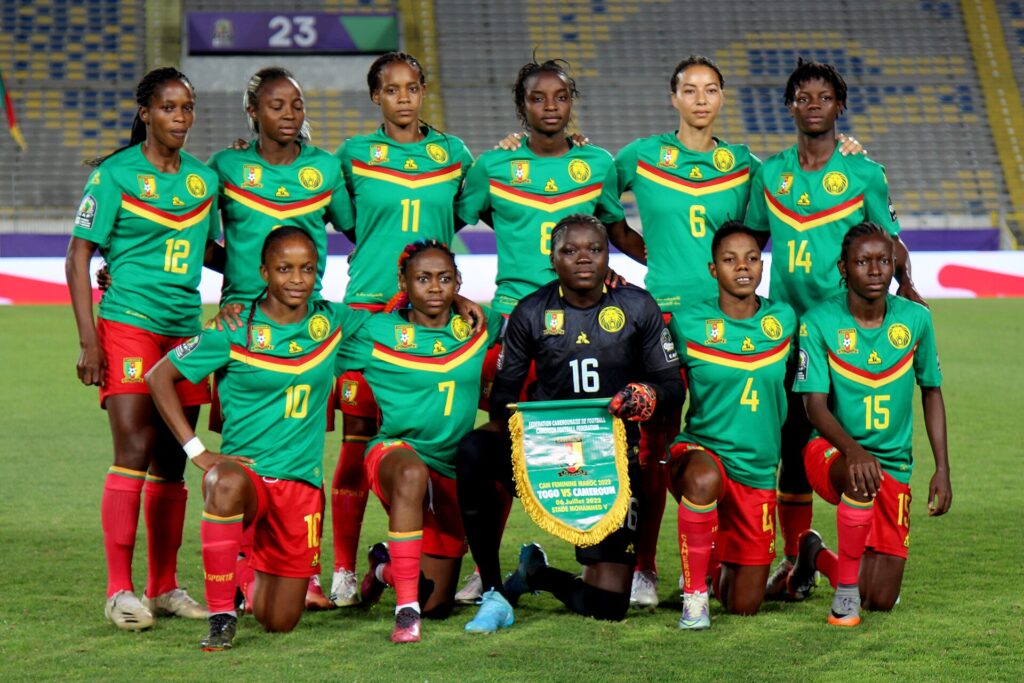
Cameroon has made history by winning their first Women’s Africa Cup of Nations (WAFCON) title, triumphing over Malawi with a commanding 3-0 victory in the final held at the Moulay El Hassan Stadium in Rabat, Morocco. This victory ends a long wait for the Indomitable Lionesses, who had previously faced disappointment in three finals, losing to Nigeria in 2004, 2014, and 2016. Marie Ngah was instrumental in the final, scoring twice, while Naomi Ndjoah Eto added another goal, showcasing Cameroon’s offensive prowess.
A Dominant Display in the Final
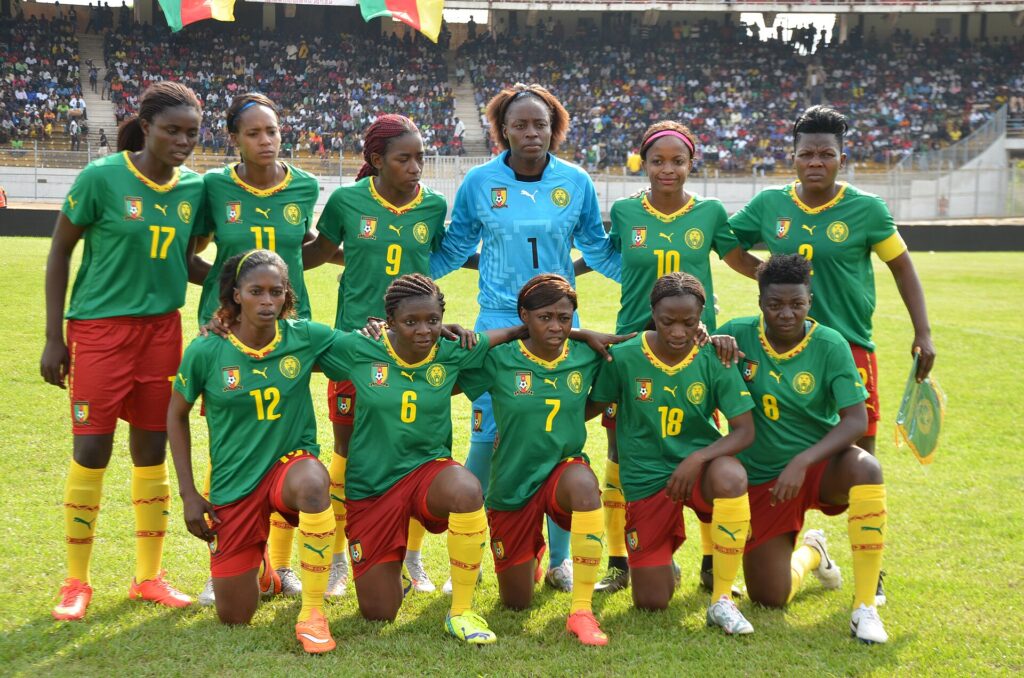
The match saw Cameroon take control early, racing to a three-goal lead before half-time, effectively settling the contest. Ngah opened the scoring in the 20th minute, heading the ball into the net, followed by Ndjoah Eto’s goal just eight minutes later. Ngah then completed her brace just before the break, demonstrating the team’s clinical finishing. This victory marks a historic moment for Cameroon, who had previously finished as runners-up in three finals, and it completes a remarkable turnaround for the team.
Implications for Women's Football in Africa
Cameroon’s success at WAFCON 2026 has broader implications for women’s football across the continent. Cameroon is now the fourth nation to lift the WAFCON trophy, joining Nigeria, Equatorial Guinea, and South Africa. The expansion of the tournament to 16 teams has allowed for greater participation and competitiveness, which was evident in the performances of teams like Malawi, who reached the final in their debut appearance. The tournament saw 90 goals scored in 32 matches, highlighting the competitive nature of the event.
A Turning Point for Cameroon and Malawi
The team, led by coach Valentine Nguele, became the fifth female coach to win the title, a significant achievement in the history of the tournament. Nguele’s leadership and the team’s resilience have been pivotal in their journey, especially considering they initially failed to qualify for the tournament before gaining entry due to the expansion. For Malawi, the defeat marked the end of a remarkable debut campaign, as they became the first Southern African team apart from South Africa to reach the WAFCON final.
What Lies Ahead for African Women's Football?
Looking ahead, the success of WAFCON 2026 raises important questions about the future of women’s football in Africa. With Cameroon and Algeria qualifying for the 2027 Women’s World Cup, the focus will now shift to how these teams can build on their success on the global stage. Moreover, the need for continued investment in women’s football infrastructure, coaching, and grassroots programs is paramount. As the spotlight shines on the successes of teams like Cameroon and Malawi, it is essential for football federations across Africa to prioritize women’s sports to ensure sustained growth and development.
Conclusion: A Bright Future Ahead
Cameroon’s historic WAFCON victory is not just a triumph for the team but a significant milestone for women’s football in Africa. It highlights the potential for growth and the importance of investment in women’s sports. As the continent looks to the future, the successes of this tournament can serve as a catalyst for further development, inspiring a new generation of female footballers.
Sources: allafrica.com, bbc.co.uk, premiumtimesng.com
Images: Cover: Happiraphael / Wikimedia Commons (CC BY-SA 4.0); Figure 1: Happiraphael / Wikimedia Commons (CC BY-SA 4.0)